
Tech
Carabiner Carabiner: The Complete Guide to Types, Uses, Safety, and Buying Tips

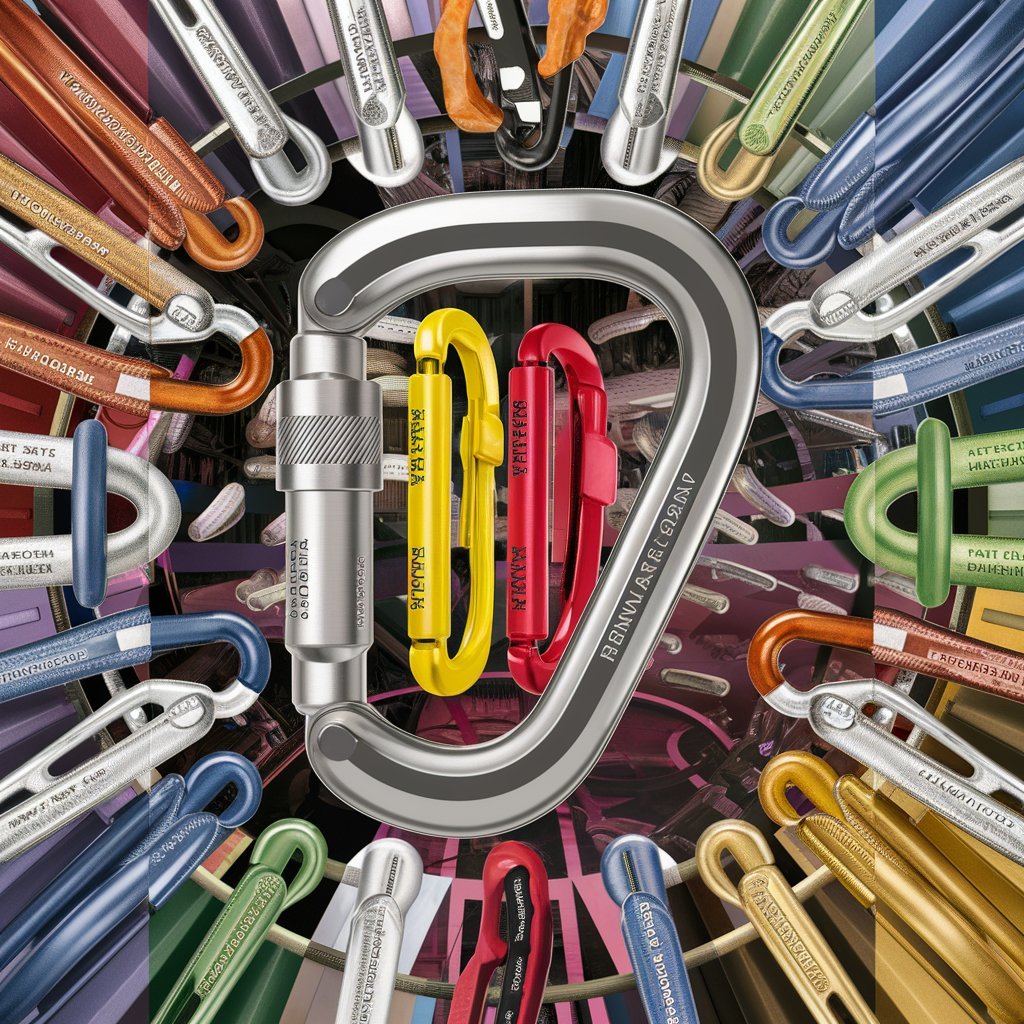
A carabiner carabiner is one of the most versatile tools available for outdoor enthusiasts, climbers, rescue professionals, industrial workers, and even everyday users who need a reliable way to secure equipment. Although the phrase “carabiner carabiner” may seem repetitive, many users search for it when looking for detailed information about these practical metal clips. Whether you need a carabiner for mountain climbing, camping, hiking, construction work, or organizing keys and gear, choosing the right one is essential for both safety and convenience.
Modern carabiners are engineered with advanced materials, precision locking mechanisms, and high-strength designs capable of supporting significant loads. However, not every carabiner is designed for life-support applications. Understanding the differences between climbing-rated and accessory carabiners, as well as learning about gate types, materials, certifications, and maintenance practices, will help you make a smart purchasing decision. This comprehensive guide covers everything you need to know about carabiners, including their history, types, uses, safety considerations, and buying tips.
What Is a Carabiner Carabiner?
A carabiner carabiner carabiner is a specially designed metal loop equipped with a spring-loaded gate that allows quick attachment and detachment of ropes, harnesses, straps, and equipment. Originally developed for military and mountaineering purposes, carabiners have become indispensable across numerous industries and recreational activities.
Today’s carabiners come in a variety of shapes, sizes, and locking mechanisms. High-quality climbing carabiners undergo rigorous testing to ensure they meet international safety standards. Accessory carabiners, on the other hand, are intended for lightweight tasks such as attaching water bottles, keys, or camping accessories and should never be used for climbing or safety-critical applications.
History of the Carabiner
The carabiner originated in the early twentieth century when climbers sought faster and safer methods of connecting ropes during mountain ascents. Early models were constructed from forged steel, offering exceptional durability but considerable weight. As climbing technology evolved, manufacturers introduced aluminum alloys, significantly reducing weight while maintaining impressive strength.
Today, carabiners are used not only in climbing but also in rescue operations, construction, arboriculture, tactical operations, industrial safety, camping, hiking, and numerous everyday applications.
Types of Carabiners
Understanding different carabiner types helps you choose the right model for your intended use.
Locking Carabiners
Locking carabiners feature a mechanism that prevents accidental gate opening. They are commonly used in climbing anchors, belaying systems, rescue operations, and industrial work where maximum security is required. Common locking styles include screw-lock, twist-lock, and auto-locking gates.
Non-Locking Carabiners
These are lightweight and easy to operate. Sport climbers frequently use them on quickdraws because they allow rapid clipping. However, they are not suitable where accidental gate opening could pose a serious risk.
Wire Gate Carabiners
Wire gate carabiners are lighter than traditional solid gate models and are less prone to freezing in cold environments. Their reduced gate flutter also makes them popular among sport climbers.
Screw Gate Carabiners
Screw gate models remain among the most popular locking carabiners. Users manually tighten the sleeve after clipping, providing an additional layer of security.
Auto-Locking Carabiners
These automatically lock when the gate closes, making them ideal for professional rescue workers, industrial safety personnel, and situations requiring maximum reliability.
Materials Used in Carabiners
The material significantly influences strength, durability, and weight.
Aluminum Carabiners
Aluminum carabiners are lightweight, corrosion-resistant, and highly popular for climbing, hiking, and camping. Their favorable strength-to-weight ratio makes them the preferred choice for outdoor sports.
Steel Carabiners
Steel models are heavier but exceptionally strong and durable. They are commonly used in rescue operations, industrial environments, construction, and permanent anchor systems.
Common Carabiner Shapes
Manufacturers produce several shapes to suit different applications.
D-Shaped Carabiners
These direct most of the load toward the spine, maximizing strength and efficiency.
HMS or Pear-Shaped Carabiners
Their larger size accommodates multiple ropes and knots, making them ideal for belaying and rappelling.
Oval Carabiners
Oval designs distribute loads evenly and are widely used with pulleys and rescue equipment.
Offset D Carabiners
These combine the advantages of D-shaped designs with larger gate openings for easier clipping.
Uses of Carabiner Carabiners
Carabiners are among the most versatile pieces of equipment available today.
Rock climbers rely on certified climbing carabiners to connect ropes, harnesses, anchors, and belay devices. Campers use them for securing gear, hanging lanterns, attaching cookware, and organizing equipment around campsites. Hikers frequently attach water bottles, trekking poles, or backpacks using lightweight accessory carabiners. Industrial workers depend on heavy-duty locking carabiners for fall protection systems, while rescue teams use specialized steel models capable of handling extremely high loads. Many people also use non-rated carabiners for everyday carry, keychains, gym bags, pet leashes, and travel organization.
How to Choose the Best Carabiner
Selecting the right carabiner depends on your intended application.
Always verify whether the carabiner is climbing-rated if it will support human weight. Consider the gate type, locking mechanism, shape, material, weight, strength rating, corrosion resistance, and ease of operation. For camping and everyday use, lightweight aluminum accessory carabiners are generally sufficient. For climbing or professional work, choose products certified under recognized international standards.
Understanding Carabiner Safety Ratings
Every climbing-rated carabiner includes strength markings measured in kilonewtons (kN). These ratings indicate how much force the carabiner can withstand along different loading directions.
Common markings include:
- Major Axis Strength
- Minor Axis Strength
- Open Gate Strength
Higher numbers generally indicate stronger equipment, but proper usage remains equally important.
Carabiner Safety Tips
Using a carabiner safely involves more than simply clipping it onto equipment. Always inspect the gate for smooth operation before use. Avoid cross-loading, where force is applied across the weaker axis. Ensure locking gates are fully secured before climbing or working at height. Never use damaged, bent, cracked, or heavily worn carabiners. Keep the gate free of dirt, sand, ice, and corrosion to maintain reliable operation. Most importantly, never substitute decorative or accessory carabiners for climbing or life-support applications.
Maintaining Your Carabiner
Proper maintenance significantly extends the lifespan of your equipment. Clean your carabiners regularly with fresh water after exposure to dirt, saltwater, or chemicals. Allow them to dry completely before storage. Lubricate moving parts sparingly with products recommended by the manufacturer, inspect for cracks and excessive wear, and store them in a dry environment away from corrosive substances and direct sunlight.
Common Mistakes to Avoid
Many accidents occur because users misunderstand the limitations of their equipment. Avoid purchasing untested products without safety certifications, using accessory carabiners for climbing, overloading beyond rated capacities, ignoring signs of wear, or allowing gates to remain partially open during use. Proper training and routine inspection greatly reduce these risks.
Advantages of Using High-Quality Carabiners
Investing in premium-quality carabiners provides superior strength, enhanced durability, smoother gate action, improved corrosion resistance, longer service life, and greater confidence during demanding activities. Certified products undergo extensive testing to ensure consistent performance under challenging conditions.
Conclusion
The carabiner carabiner is far more than a simple metal clip. It serves as a critical component in climbing, rescue operations, industrial safety, camping, hiking, and countless everyday tasks. Understanding the various types, materials, gate mechanisms, safety ratings, and maintenance requirements enables users to choose equipment that matches their specific needs while maximizing safety and reliability. Whether you require a lightweight aluminum carabiner for hiking or a heavy-duty steel locking model for professional applications, selecting a certified, well-maintained product ensures dependable performance for years to come. By following proper inspection and usage practices, you can enjoy the full benefits of this remarkably versatile tool with confidence.
Frequently Asked Questions (FAQs)
1. What is a carabiner used for?
A carabiner is used to quickly connect ropes, harnesses, equipment, and gear for climbing, camping, rescue work, industrial safety, and everyday organization.
2. Are all carabiners safe for climbing?
No. Only climbing-rated carabiners that meet recognized safety standards should be used for life-support applications.
3. What is the difference between a locking and non-locking carabiner?
A locking carabiner includes a mechanism that prevents accidental opening, while a non-locking carabiner relies solely on its spring-loaded gate.
4. Which material is better: aluminum or steel?
Aluminum is lighter and ideal for outdoor recreation, whereas steel offers greater durability and is preferred for industrial and rescue applications.
5. How often should I inspect my carabiner?
Inspect your carabiner before every use and perform more detailed inspections regularly, especially if it is used in climbing or professional safety systems.
6. Can I use a keychain carabiner for climbing?
No. Decorative and keychain carabiners are not designed to support human weight and should never be used for climbing or fall protection.
7. How long do climbing carabiners last?
Their lifespan depends on usage, storage conditions, maintenance, and manufacturer guidance. Retire any carabiner that shows cracks, deformation, corrosion, or other significant damage.
8. What does kN mean on a carabiner?
kN stands for kilonewton, a unit of force used to indicate the strength rating of a climbing-rated carabiner. Higher kN ratings generally indicate greater load capacity under specified conditions.

Tech
Block It: The Complete Guide to Blocking Spam, Ads, Websites, Apps, and Unwanted Content in 2026
The internet has become an essential part of modern life, but it also exposes users to constant distractions, intrusive advertisements, spam calls, phishing emails, unwanted notifications, malicious websites, and privacy risks. Whether you’re browsing the web, using social media, checking your email, or answering your phone, unwanted content can interrupt your day and even put your personal information at risk. Fortunately, there are many effective ways to block it before it becomes a problem. From built-in device settings to browser extensions and security software, today’s tools make it easier than ever to take control of your digital environment.
Learning how to block it is no longer just about convenience—it is an important part of staying safe online. Blocking harmful websites can reduce exposure to scams and malware, filtering spam emails helps protect sensitive information, and preventing unwanted calls can save time and reduce stress. Likewise, limiting distracting apps and notifications can improve productivity and mental focus. In this comprehensive guide, you’ll discover how to block unwanted content across multiple devices and platforms, understand the benefits of digital filtering, and learn best practices for maintaining privacy, security, and a healthier online experience in 2026.
What Does “Block It” Mean?
The phrase “block it“ refers to preventing unwanted digital content, communications, or activities from reaching you. Depending on the situation, this could mean blocking a phone number to stop nuisance calls, restricting access to distracting websites, filtering spam emails before they reach your inbox, or using browser tools to stop intrusive advertisements and online trackers. In every case, the goal is the same: to create a safer, cleaner, and more productive digital environment.
Blocking is no longer limited to cybersecurity professionals or IT departments. Modern operating systems, web browsers, email providers, and mobile devices include built-in features that allow everyday users to block unwanted content with just a few clicks. Combined with reputable third-party tools, these features help reduce digital noise while improving privacy and security.
Why Blocking Matters
Every day, millions of spam messages, scam calls, phishing attempts, and intrusive advertisements circulate across the internet. Cybercriminals often rely on users accidentally clicking malicious links or sharing personal information. Blocking suspicious websites, fraudulent emails, and unwanted communications significantly reduces these risks.
Beyond security, blocking also improves focus and productivity. Constant notifications, autoplay videos, and endless social media feeds can interrupt work and study. By limiting these distractions, users can better manage their time and maintain healthier digital habits.
Benefits of Blocking Unwanted Content
Blocking unwanted content provides numerous advantages for individuals, families, and businesses. It enhances privacy by preventing data collection through trackers and reducing exposure to malicious actors. It also minimizes interruptions from spam calls, pop-up advertisements, and unnecessary notifications, creating a more enjoyable online experience.
For parents, blocking inappropriate websites and apps helps create a safer internet environment for children. Organizations benefit by restricting access to risky websites, protecting company data, and improving employee productivity. Overall, effective blocking strategies contribute to stronger cybersecurity, better concentration, and greater control over digital interactions.
How to Block Websites
One of the most common uses of blocking tools is preventing access to specific websites. Modern browsers, parental control software, and DNS filtering services allow users to restrict websites that are distracting, inappropriate, or potentially dangerous. Schools and businesses often rely on website blocking to maintain secure and productive networks, while families use it to protect children from unsuitable online content.
Website blocking can also be useful for personal productivity. Limiting access to entertainment or social media sites during work hours helps reduce distractions and encourages focused work. Many productivity tools let users schedule blocking sessions, ensuring that restricted sites become available only during designated breaks or after work hours.
Conclusion
Blocking unwanted content is one of the simplest and most effective ways to improve your online experience. Whether you’re stopping spam calls, filtering emails, blocking malicious websites, or limiting digital distractions, taking advantage of modern blocking tools helps protect your privacy, enhance security, and increase productivity. As technology continues to evolve, new threats and distractions will emerge, making it even more important to stay informed and use reliable blocking methods.
By understanding how to block it effectively and responsibly, you can create a safer, cleaner, and more enjoyable digital environment for yourself, your family, or your organization. Regularly reviewing your privacy settings, updating your devices, and using trusted security tools will ensure you stay protected in 2026 and beyond.
Frequently Asked Questions (FAQ)
1. What does “Block It” mean?
It refers to preventing unwanted content, calls, messages, websites, apps, or advertisements from reaching or affecting you.
2. Is blocking websites safe?
Yes. Blocking trusted or untrusted websites through built-in settings or reputable software is a common way to improve security and productivity.
3. Can blocking spam calls stop all unwanted calls?
Blocking individual numbers and enabling spam-filtering features can greatly reduce unwanted calls, though no method guarantees that every spam call will be prevented.
4. Do ad blockers improve browsing speed?
Yes. By preventing many advertisements and trackers from loading, ad blockers often reduce page load times and data usage.
5. Can parents block inappropriate content?
Yes. Most devices and operating systems include parental controls that allow families to restrict websites, apps, and content based on age-appropriate settings.
6. Is blocking emails better than deleting them?
Blocking or filtering unwanted senders is usually more effective because future messages can be routed away automatically instead of requiring manual deletion.
7. Does blocking someone notify them?
In most services, blocking a user does not send them a notification, although behavior may vary by platform.
8. Why should I regularly review my blocking settings?
Reviewing your settings helps ensure they remain effective as new threats, apps, and communication methods evolve.

Chevy Hybrid SUV: Models, Features, Fuel Economy, and What to Know in 2026

You Make Beautiful Things Out of Dust Lyrics: Meaning, Message, and Song Guide

Mayci Neeley: Biography, Career, Family, and Her Rise to Reality TV Fame

Epic Seven Tier List 2026: Best Heroes Ranked for PvE, PvP, Arena, and Hunts

Prostate Supplement Colibrim: Benefits, Ingredients, How It Works, Side Effects, Reviews, and Complete Buying Guide

Teal Teal Teal: Meaning, Symbolism, Uses, and Why This Beautiful Color Continues to Inspire
 Entertainment4 months ago
Epic Seven Tier List 2026: Best Heroes Ranked for PvE, PvP, Arena, and Hunts
- Sports4 months ago
Prostate Supplement Colibrim: Benefits, Ingredients, How It Works, Side Effects, Reviews, and Complete Buying Guide
- Fashion4 months ago
Teal Teal Teal: Meaning, Symbolism, Uses, and Why This Beautiful Color Continues to Inspire
- Business4 months ago
Contract Lawyer: Complete Guide to Legal Contracts, Business Protection, and Expert Legal Advice
- Tech3 months ago
Haxillzojid54: The Complete Guide to Understanding This Innovative Digital Platform
- Business4 months ago
Success100x.com Factors: The Complete Guide to Understanding Every Growth Factor
- Fashion4 months ago
Flower Background: The Ultimate Guide to Beautiful Floral Backgrounds for Every Project
- Lifestyle4 months ago
Kirsten Kutner Age: Everything You Need to Know About Her Life, Career, and Family