
Business
Contract Lawyer: Complete Guide to Legal Contracts, Business Protection, and Expert Legal Advice


Contracts form the legal foundation of countless personal and business relationships. Whether you are signing an employment agreement, purchasing property, launching a business partnership, or negotiating with suppliers, every contract carries legal rights and obligations that can significantly impact your future. Even a minor error or overlooked clause can result in financial losses, disputes, or lengthy litigation. This is why hiring a contract lawyer has become one of the smartest decisions individuals and businesses can make.
A contract lawyer specializes in drafting, reviewing, negotiating, interpreting, and enforcing legally binding agreements. Their expertise helps clients understand complex legal language, identify hidden risks, negotiate favorable terms, and ensure that every agreement complies with applicable laws. Instead of relying on generic online templates or assumptions, working with a qualified legal professional provides peace of mind and reduces the likelihood of costly mistakes.
In today’s increasingly competitive and regulated business environment, contracts govern nearly every transaction, from employment agreements and service contracts to commercial leases and intellectual property licensing. A skilled contract lawyer protects your interests before problems arise, making legal guidance an investment rather than an expense. This comprehensive guide explores everything you need to know about contract lawyers, including their responsibilities, benefits, services, costs, industries they serve, and tips for choosing the right attorney.
What Is a Contract Lawyer?
A contract lawyer is a legal professional who focuses on contract law and assists clients with creating, reviewing, negotiating, and enforcing legally binding agreements. Their primary objective is to ensure that contracts accurately reflect the intentions of all parties while protecting their client’s legal rights and minimizing potential risks. Unlike general legal practitioners, contract lawyers possess specialized knowledge of contractual language, legal requirements, industry regulations, and dispute resolution procedures.
Contract lawyers work with individuals, startups, small businesses, large corporations, nonprofit organizations, and government agencies. They help clients prepare legally enforceable contracts that comply with local, state, and federal laws while addressing unique business or personal circumstances. Their expertise extends beyond drafting documents; they also provide strategic legal advice during negotiations and represent clients when contract disputes arise.
Why Hiring a Contract Lawyer Is Important
Many people assume that downloading a free contract template from the internet is sufficient for legal protection. However, generic templates rarely account for specific business needs, local laws, industry regulations, or unique transaction details. A contract lawyer ensures that every clause is customized to your circumstances, reducing ambiguity and preventing misunderstandings that could later become expensive legal battles.
An experienced lawyer identifies unfair terms, hidden liabilities, vague wording, and compliance issues before contracts are signed. They also negotiate more favorable terms regarding payment schedules, liability limitations, confidentiality, dispute resolution, termination rights, warranties, intellectual property ownership, and indemnification provisions. Their legal expertise provides confidence that agreements are balanced, enforceable, and aligned with your long-term interests.
Hiring a contract lawyer also demonstrates professionalism and credibility during negotiations. Business partners, investors, suppliers, and clients often feel more comfortable entering agreements that have been reviewed by qualified legal counsel, strengthening trust and reducing future conflicts.
Responsibilities of a Contract Lawyer
A contract lawyer performs numerous essential functions throughout the contract lifecycle. Their work begins with understanding the client’s objectives and continues through drafting, reviewing, negotiation, execution, compliance monitoring, and dispute resolution.
One of their primary responsibilities is drafting contracts that clearly define the rights, obligations, deadlines, payment terms, confidentiality requirements, liability limitations, termination conditions, and dispute resolution procedures. Every clause is carefully written to eliminate ambiguity and minimize legal risks.
Another important responsibility involves reviewing existing contracts. Lawyers analyze agreements for potential legal issues, unfair provisions, hidden obligations, regulatory compliance, and enforceability. They explain complicated legal terminology in plain language, enabling clients to make informed decisions before signing.
Contract lawyers also negotiate terms with opposing parties. Their legal knowledge allows them to secure more favorable conditions while maintaining productive business relationships. When disputes occur, they represent clients during mediation, arbitration, settlement negotiations, or litigation if necessary.
Types of Contracts Handled by Contract Lawyers
Contract lawyers work with a wide variety of legal agreements across numerous industries. Business contracts represent one of the most common categories and include partnership agreements, shareholder agreements, vendor contracts, service agreements, consulting agreements, franchise agreements, distribution agreements, and joint venture contracts.
Employment contracts define compensation, responsibilities, confidentiality obligations, restrictive covenants, termination rights, and employee benefits. Real estate contracts involve property purchases, commercial leases, residential leases, construction agreements, mortgage documents, and development contracts.
Contract lawyers also assist with intellectual property licensing agreements, software development contracts, non-disclosure agreements, technology service agreements, manufacturing contracts, licensing arrangements, merger and acquisition agreements, independent contractor agreements, healthcare agreements, entertainment contracts, and international trade agreements. Their expertise ensures that each contract reflects the legal requirements applicable to its specific industry.
Contract Drafting Services
Professional contract drafting involves much more than filling in blanks on a standard template. A contract lawyer carefully analyzes the client’s goals, potential risks, legal obligations, and business objectives before creating a customized agreement. Every provision is written with precision to reduce uncertainty and protect against future disputes.
Well-drafted contracts include detailed descriptions of services, payment obligations, performance standards, delivery schedules, confidentiality clauses, intellectual property ownership, warranties, indemnification provisions, limitation of liability clauses, governing law, dispute resolution mechanisms, force majeure provisions, and termination rights. Each section works together to establish a comprehensive legal framework that safeguards all parties involved.
Contract Review Services
Before signing any important agreement, having a contract lawyer review the document can prevent serious legal and financial consequences. Contract review involves analyzing every clause to identify inconsistencies, hidden liabilities, ambiguous language, unfair obligations, regulatory violations, and potential enforcement challenges.
A thorough review helps clients understand their legal responsibilities and negotiate revisions where necessary. Lawyers frequently recommend modifications that improve clarity, reduce liability, strengthen legal protections, and ensure compliance with applicable laws. This process is especially valuable for businesses entering high-value commercial transactions or long-term contractual relationships.
Contract Negotiation
Successful contract negotiation requires both legal expertise and strategic communication skills. Contract lawyers negotiate pricing structures, payment schedules, liability allocation, intellectual property rights, confidentiality obligations, insurance requirements, warranties, indemnification clauses, dispute resolution procedures, and termination rights on behalf of their clients.
Effective negotiation creates agreements that balance the interests of all parties while minimizing legal exposure. Rather than simply accepting unfavorable terms, clients benefit from professional representation that improves bargaining power and increases the likelihood of reaching mutually beneficial outcomes.
Common Contract Disputes
Despite careful planning, contract disputes occasionally arise due to misunderstandings, breaches, delays, payment issues, defective performance, confidentiality violations, intellectual property conflicts, or disagreements regarding contractual interpretation. Contract lawyers evaluate the legal merits of each dispute and recommend the most effective resolution strategy.
Many disputes are resolved through negotiation or mediation, saving time and litigation costs. When necessary, contract lawyers represent clients in arbitration or court proceedings to enforce contractual rights, recover damages, or defend against legal claims. Their experience significantly improves the chances of achieving favorable outcomes while minimizing business disruption.
Industries That Benefit from Contract Lawyers
Virtually every industry relies on legally enforceable agreements. Construction companies require contractor agreements and subcontractor contracts. Healthcare organizations use physician employment agreements, vendor contracts, and regulatory compliance documents. Technology companies depend on software licensing agreements, development contracts, and intellectual property protections.
Real estate firms utilize purchase agreements, lease contracts, financing documents, and property management agreements. Manufacturers negotiate supplier contracts, distribution agreements, and quality assurance provisions. Financial institutions manage lending agreements, investment contracts, and compliance documentation. Even freelancers and independent consultants benefit from professionally drafted service agreements that clearly define project scope, payment terms, ownership rights, and dispute resolution procedures.
How to Choose the Best Contract Lawyer
Selecting the right contract lawyer requires careful evaluation of several important factors. Experience remains one of the strongest indicators of legal competence. Lawyers with extensive backgrounds in contract law understand industry-specific risks and possess practical negotiation skills developed through years of handling complex transactions.
Clients should also consider communication style, responsiveness, reputation, fee structure, specialization, client reviews, professional credentials, and familiarity with relevant industries. During an initial consultation, prospective clients should discuss the lawyer’s experience handling similar agreements, anticipated timelines, billing practices, and strategies for protecting their legal interests.
A trustworthy contract lawyer explains legal concepts clearly, responds promptly to questions, maintains transparency regarding fees, and prioritizes long-term client relationships over short-term financial gain.
Benefits of Hiring a Contract Lawyer
Hiring a contract lawyer offers numerous advantages beyond simply preparing legal documents. Clients gain stronger legal protection, improved negotiation outcomes, reduced business risks, increased compliance with applicable regulations, and greater confidence when entering important agreements.
Professional legal guidance minimizes costly disputes, enhances contract enforceability, protects confidential information, safeguards intellectual property, and reduces the likelihood of litigation. Businesses also benefit from standardized contract management processes that improve operational efficiency and strengthen relationships with customers, suppliers, employees, and strategic partners.
Ultimately, investing in professional legal services often saves significantly more money than resolving preventable legal disputes after they occur.
Conclusion
Contracts influence nearly every significant personal and business transaction, making professional legal guidance more valuable than ever. A contract lawyer helps draft precise agreements, review existing contracts, negotiate favorable terms, resolve disputes, and ensure compliance with applicable laws. Their expertise protects financial interests, reduces legal risks, and provides confidence when entering legally binding relationships.
Whether you are launching a startup, expanding an established company, hiring employees, purchasing property, or negotiating commercial agreements, working with an experienced contract lawyer is a proactive investment in long-term security and success. Well-written contracts create stronger business relationships, prevent misunderstandings, and provide the legal foundation necessary for sustainable growth in an increasingly complex legal environment.
Frequently Asked Questions (FAQs)
1. What does a contract lawyer do?
A contract lawyer drafts, reviews, negotiates, interprets, and enforces legal agreements while protecting a client’s rights and ensuring compliance with applicable laws.
2. When should I hire a contract lawyer?
You should hire a contract lawyer before signing important business, employment, real estate, partnership, licensing, or commercial agreements, or whenever you need legal advice regarding a contract.
3. Can a contract lawyer help resolve disputes?
Yes. Contract lawyers assist with negotiation, mediation, arbitration, and litigation to resolve disputes arising from breaches of contract or disagreements over contract terms.
4. How much does a contract lawyer cost?
The cost depends on the lawyer’s experience, location, complexity of the agreement, and billing method. Some charge hourly rates, while others offer fixed fees for drafting or reviewing contracts.
5. Is a contract legally binding without a lawyer?
In many cases, yes. However, a lawyer helps ensure the contract is properly drafted, enforceable, complies with the law, and adequately protects your interests.
6. What is the difference between a contract lawyer and a general attorney?
A contract lawyer specializes in contract law, including drafting, reviewing, negotiating, and enforcing agreements, while a general attorney may practice across multiple areas of law.
7. Can a contract lawyer negotiate on my behalf?
Yes. Contract lawyers regularly negotiate terms with the other party to achieve fair, balanced, and legally sound agreements that protect their clients’ interests.
8. Why is contract review important?
Contract review helps identify hidden risks, unclear language, unfair obligations, and legal issues before signing, reducing the likelihood of disputes and financial losses in the future.

The phrase “thefappening blog” is a search term associated with online discussions about celebrity privacy, leaked intimate images, internet culture, and the broader consequences of unauthorized sharing of private material. Because the subject involves sensitive personal content and serious privacy concerns, a useful and responsible article should focus on the history and meaning of the term, how online discussions surrounding such incidents developed, and why privacy and consent matter in the digital age rather than directing readers toward stolen or intimate material. Search engines increasingly reward content that provides genuine context, clear explanations, and useful information, so an article built around digital privacy, responsible online behavior, and media literacy can address the keyword while remaining informative and respectful.
The internet has made it possible for information to spread extraordinarily quickly, but that speed also creates serious challenges when private material is obtained or distributed without permission. Incidents involving celebrities have demonstrated that having a public profile does not eliminate a person’s right to privacy. The discussion surrounding thefappening blog therefore provides an opportunity to examine much broader questions about cybersecurity, consent, responsible publishing, copyright, digital footprints, and the ethical responsibilities of websites and internet users. Understanding those issues is more valuable than simply searching for or redistributing private material.
What Does “TheFappening Blog” Mean?
TheFappening blog is a keyword people may use when searching for websites, articles, discussions, or commentary connected with the infamous celebrity-image leak events that became widely discussed online. The terminology became associated with unauthorized disclosure and distribution of private photographs, particularly images belonging to celebrities. Over time, variations of the phrase appeared across search engines, forums, social media discussions, and websites attempting to attract visitors interested in the controversy. Because the subject involves non-consensually distributed intimate material, readers should distinguish between legitimate reporting or commentary and websites whose purpose is to redistribute private content.
From an informational perspective, the term is best understood as part of a larger conversation about how digital privacy can be violated. A modern smartphone may contain thousands of personal photographs, conversations, documents, and other forms of sensitive information. When an account is compromised, private files can potentially be exposed on a massive scale. Once material appears online, copies can spread between websites and platforms even after the original source has attempted to remove it. This makes privacy protection, strong account security, and responsible online behavior important considerations for everyone, not only celebrities.
The History Behind the Search Term
The controversy that gave rise to searches involving this keyword became a major example of the risks associated with storing personal information online. Private photographs were obtained without authorization and subsequently circulated across the internet. The incident generated extensive media coverage and raised questions about account security, unauthorized access, consent, platform responsibility, and the ethics of consuming or sharing private material. The scale of the discussion also demonstrated how quickly a single privacy violation can become a worldwide internet phenomenon.
One important lesson from this history is that the existence of material online does not mean that the material was intended to be public. A photograph can be copied, reposted, indexed, archived, or discussed thousands of times while the person depicted never consented to its public distribution. Treating availability as permission creates a dangerous misunderstanding of digital privacy. Responsible internet users should recognize the difference between content intentionally published by an individual and private material that has been exposed through unauthorized access or sharing.
Why Celebrity Privacy Still Matters
Celebrities and public figures frequently have substantial media exposure, but public visibility does not automatically remove their personal boundaries. A person can willingly participate in interviews, publish photographs, or maintain public social-media accounts while still expecting private communications and personal files to remain private. This distinction is essential when discussing thefappening blog and related searches because the central issue is not simply celebrity culture; it is the principle of consent.
Privacy also matters because unauthorized publication can have consequences that continue long after the original incident. Images may be copied onto additional websites, saved by unknown individuals, reposted on social platforms, or used in misleading contexts. Victims may face harassment, embarrassment, professional consequences, and emotional distress. The permanent and duplicative nature of the internet means that a privacy violation can become difficult to contain, making prevention and responsible behavior particularly important.
The Difference Between News Coverage and Exploitation
There is an important distinction between reporting on a major privacy incident and exploiting the incident to distribute private material. Journalists, researchers, and technology publications may legitimately discuss what happened, explain security concerns, examine legal developments, or analyze the broader cultural impact. Such reporting can educate the public without reproducing intimate photographs or directing readers toward unauthorized copies.
A responsible website should therefore avoid publishing stolen intimate images, creating galleries of private material, or providing instructions for finding such content. Instead, an article targeting the thefappening blog keyword can provide historical context, discuss digital-security lessons, and explain why consent is important. This approach creates content with genuine informational value while avoiding the harmful practice of turning someone else’s privacy violation into entertainment or website traffic.
Digital Privacy Lessons From the Controversy
One of the strongest lessons from large-scale online privacy incidents is the importance of account security. People should use unique passwords for important accounts, enable multi-factor authentication whenever it is available, keep operating systems and applications updated, and be cautious about suspicious emails or messages. Cloud services can be convenient, but users should understand the privacy and security controls associated with the services they use.
Another important lesson is that privacy is not only a technical issue. Even when a person uses strong security measures, other individuals may have access to photographs or messages and could potentially share them without permission. For that reason, digital privacy involves both cybersecurity and social responsibility. People should think carefully before forwarding private photographs, saving intimate material belonging to someone else, or posting content whose origin and consent status are unclear.
Why People Should Not Search for Leaked Private Images
Search interest does not create consent. A person may encounter a website claiming to provide leaked photographs, but clicking, downloading, saving, or sharing such material can contribute to the continued circulation of someone’s private information. It can also expose users to malicious websites, scams, misleading downloads, aggressive advertising, or other online-security risks.
A better approach is to search for legitimate journalism, historical analysis, cybersecurity information, and privacy guidance. Readers interested in the subject can learn about what happened and why it mattered without viewing or redistributing intimate material. This is especially important for publishers because responsible content can educate audiences while avoiding the exploitation of individuals whose privacy has already been violated.
The Legal and Ethical Questions
Unauthorized access to private accounts and the distribution of private material can raise significant legal issues, although the exact laws and potential consequences vary between jurisdictions. Depending on the circumstances, questions may involve unauthorized computer access, privacy rights, copyright, harassment, exploitation, or unlawful distribution of intimate images. Because laws change and differ between countries, readers should consult qualified legal professionals or official government resources when they need advice about a specific situation.
The ethical question is often easier to understand: if someone did not consent to public distribution of an intimate photograph, sharing that photograph can deepen the original violation. Ethical internet behavior requires more than asking whether something can technically be accessed. It requires asking whether the person involved agreed to its publication and whether sharing it causes unnecessary harm.
How Websites Can Discuss the Topic Responsibly
Websites publishing articles about thefappening blog should prioritize factual information and context instead of reproducing sensitive material. A strong article can explain the history of the controversy, discuss the importance of cybersecurity, describe the distinction between public and private information, and provide general advice about protecting online accounts. Publishers should also avoid sensational headlines that encourage readers to seek leaked photographs.
Responsible SEO does not require a website to provide harmful content. In fact, a useful article can naturally incorporate related phrases such as thefappening blog, celebrity privacy, online privacy, digital security, leaked images, internet privacy, consent, and cybersecurity while explaining the subject from an educational perspective. The goal should be to answer the reader’s search intent with trustworthy information rather than simply repeating a keyword.
The Importance of Consent in the Digital Age
Consent is one of the most important concepts in discussions about private online content. Someone may voluntarily take a photograph and share it with another person without agreeing to its publication on a public website. The original possession of a photograph therefore does not necessarily grant unlimited permission to distribute it. This distinction becomes especially important when personal content is copied, reposted, or circulated far beyond its original context.
Digital platforms make this issue more complicated because sharing can happen almost instantly. A person can download an image and repost it to another service within seconds, while automated systems and search engines may make copies discoverable to millions of people. Responsible users should therefore pause before sharing questionable material and consider whether the person depicted actually consented to its public distribution.
How to Protect Your Own Private Photos
Anyone concerned about digital privacy can take practical steps to reduce unnecessary risk. Use strong and unique passwords, activate multi-factor authentication, review account recovery options, keep devices updated, and avoid entering login information into unfamiliar websites. It is also useful to periodically review which applications and services have access to personal accounts and remove permissions that are no longer necessary.
People should also consider the privacy implications of automatically synchronizing photographs across multiple devices and services. Cloud backups can be extremely useful, but users should understand how their accounts are protected and what recovery options are available. Security is never a guarantee that a privacy incident cannot happen, but sensible precautions can significantly reduce avoidable risks.
Responsible Search Intent for “TheFappening Blog”
Someone searching for thefappening blog may have several different intentions. They might be looking for historical information, trying to understand the controversy, researching internet culture, investigating online privacy, or looking for commentary about celebrity image leaks. A high-quality article should recognize these different intentions and provide useful context rather than assuming that every searcher wants private photographs.
For SEO purposes, this means creating content that genuinely answers questions surrounding the keyword. Useful related topics include what the term means, why the controversy became significant, what privacy lessons can be learned, how people can improve account security, and why sharing unauthorized intimate content is harmful. These topics provide natural opportunities to use related keywords without producing repetitive or low-value content.
Conclusion
The term thefappening blog is connected to one of the internet’s most widely discussed examples of digital privacy violations, but the most useful way to approach the subject is through education rather than exploitation. The controversy demonstrates that private information can spread rapidly once it enters the online ecosystem and that the consequences of unauthorized sharing can extend far beyond the original incident. It also highlights the importance of cybersecurity, consent, responsible publishing, and respect for personal boundaries.
For readers and website owners, the central lesson is straightforward: online availability does not equal permission. A responsible article can discuss the history and significance of the controversy while protecting individuals from further exposure. By focusing on privacy, digital security, ethical internet behavior, and informed search practices, publishers can create useful content around the thefappening blog keyword without directing audiences toward stolen or intimate material.
Frequently Asked Questions
What is TheFappening Blog?
The phrase TheFappening Blog is commonly used as a search term connected with online discussions about the celebrity-image leak controversy and its broader implications for privacy and internet culture. Responsible coverage should focus on history, privacy, cybersecurity, and consent rather than redistributing private images.
Why is the topic associated with online privacy?
The controversy involved the unauthorized exposure and circulation of private photographs, making it an important example of how personal information can be compromised and distributed online. It illustrates why account security and privacy protections matter.
Is it appropriate to share leaked private photographs?
No. If intimate photographs were obtained or distributed without the person’s permission, sharing them contributes to the violation of that person’s privacy. Readers should avoid downloading, reposting, or distributing unauthorized private material.
How can people protect private photographs online?
Using unique passwords, multi-factor authentication, updated devices, secure account-recovery settings, and careful privacy controls can reduce risk. Users should also be cautious about suspicious links and unfamiliar applications requesting access to personal accounts.
Does being a celebrity mean someone has no privacy?
No. Public figures may choose to share certain aspects of their lives publicly while still retaining reasonable expectations of privacy concerning personal communications, private photographs, and other confidential information.
Why should websites avoid publishing leaked images?
Publishing unauthorized intimate material can further harm the people involved and may create ethical and potentially legal problems. Websites can discuss the history and implications of a privacy incident without reproducing the private material itself.
What keywords are related to “thefappening blog”?
Relevant contextual keywords include thefappening blog, TheFappening, celebrity privacy, online privacy, digital privacy, cybersecurity, leaked images, internet privacy, consent, and private image security. These terms should be used naturally and only where they contribute to the article’s meaning.
What is the best angle for an SEO article about TheFappening Blog?
A strong and responsible SEO angle is to explain the history of the term while focusing on celebrity privacy, cybersecurity, consent, responsible online behavior, and the broader impact of unauthorized image distribution. This provides readers with useful information instead of simply directing them toward private material.
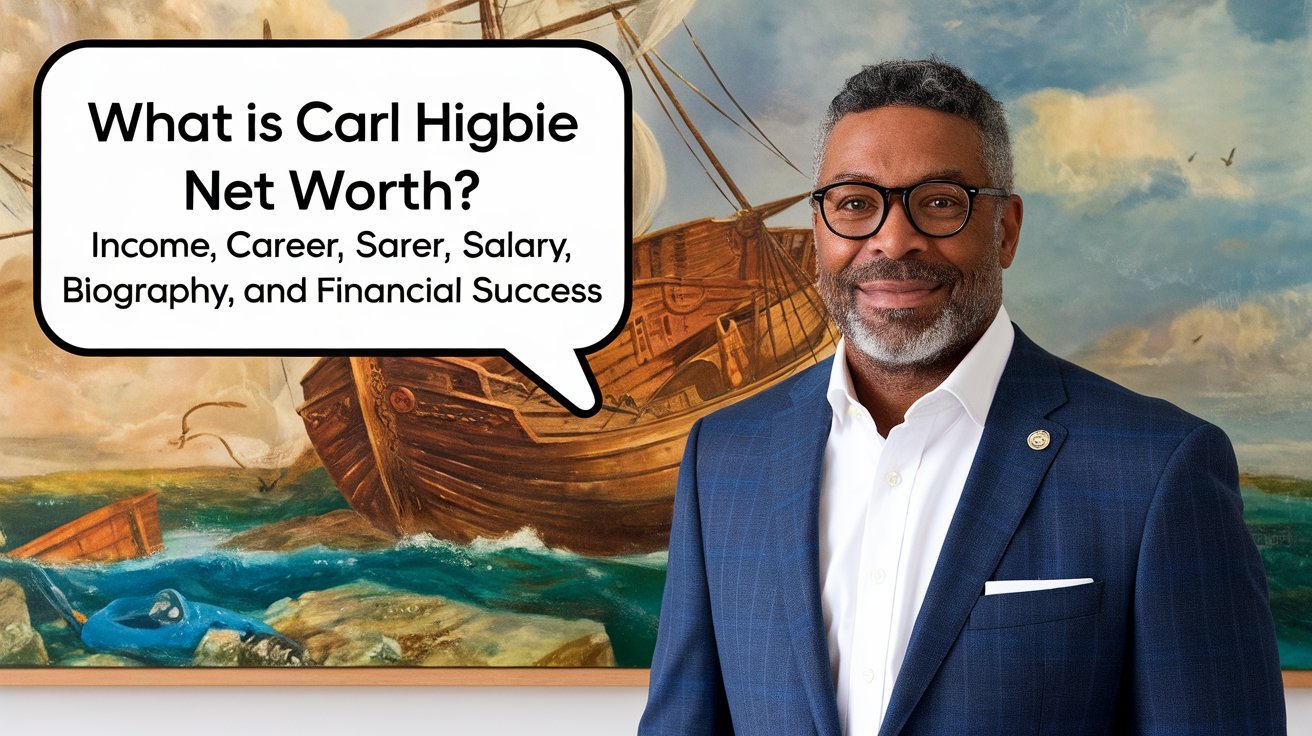
Carl Higbie has become a recognizable figure in American political media thanks to his background as a former U.S. Navy SEAL, author, television personality, and conservative political commentator. Over the years, many people have become curious about Carl Higbie net worth because of his growing presence in television broadcasting, digital media, speaking engagements, and political commentary. While no official financial records publicly disclose his exact wealth, multiple estimates published by entertainment and finance websites generally place his net worth in the low millions of dollars. These estimates should be treated as approximations rather than confirmed figures because Carl Higbie has not publicly released verified financial statements. Nevertheless, examining his career provides valuable insight into how he has generated income and established his professional reputation.
Estimated Carl Higbie Net Worth
Although the exact number remains private, Carl what is carl higbie net worth net worth is commonly estimated to fall between $1 million and $3 million based on publicly available information and industry estimates. This figure reflects earnings accumulated over many years through several professional roles rather than a single source of income. His military career, book sales, television appearances, hosting responsibilities, public speaking opportunities, and other media-related work have all likely contributed to his overall financial position. Since commentators and television personalities often have multiple revenue streams, actual earnings can fluctuate depending on contracts, audience reach, and additional business ventures.
Early Life and Background
Carl Higbie was born in the United States and developed an interest in military service from an early age. His commitment to discipline and leadership eventually led him to join the U.S. Navy, where he completed the demanding training required to become a Navy SEAL. This achievement established the foundation for his later public career, as his military experience became a defining part of his personal brand. His service exposed him to leadership, strategic decision-making, and high-pressure environments that later influenced his writing and media commentary.
Military Career
Serving as a Navy SEAL is one of the most challenging career paths within the U.S. military. Carl Higbie’s service demonstrated physical endurance, determination, and commitment to national security. After completing his military service, he transitioned into civilian life, where he used his experiences to write, speak publicly, and comment on military and political issues. Many veterans successfully leverage their expertise into careers in consulting, media, or public speaking, and Higbie followed a similar path by building credibility around his military background.
Transition into Media
Following his military career, Carl Higbie expanded his public profile through television interviews, political analysis, and news commentary. His appearances on conservative media platforms introduced him to a much broader audience, increasing both his visibility and earning potential. Television personalities often receive compensation through hosting contracts, guest appearances, contributor agreements, and other media opportunities, making broadcasting a significant component of many commentators’ incomes. Higbie’s communication skills and military credentials helped him establish a recognizable presence in this competitive field.
Books and Publishing
Another important contributor to Carl Higbie’s financial success has been publishing. Writing books allows public figures to diversify their income while strengthening their professional reputation. Revenue from book sales, royalties, speaking engagements tied to publications, and promotional events can collectively become a meaningful source of earnings. Authors with established media profiles often benefit from increased book visibility, creating a mutually reinforcing relationship between broadcasting and publishing.
Television and Broadcasting Income
Media personalities typically earn income through salaries, contributor fees, hosting responsibilities, and contract work. Carl Higbie has worked across television, digital broadcasting, and political commentary, which likely provides a steady source of professional income. While exact salary figures have not been publicly confirmed, experienced commentators working with national media organizations can earn competitive compensation depending on the scope of their roles, audience size, and contractual arrangements. Additional appearances at conferences, interviews, and special events may further supplement annual earnings.
Public Speaking and Events
Public speaking has become another valuable revenue stream for many former military leaders and media personalities. Organizations frequently invite experienced speakers to discuss leadership, national security, current events, and public policy. Speaking engagements often include appearance fees, travel reimbursement, and opportunities to promote books or other professional work. Carl Higbie’s combination of military service and media experience makes him a potential speaker for conferences, civic organizations, and political events.
Sources of Income
Carl Higbie’s estimated wealth is supported by several income streams that together contribute to his overall financial position:
- Television hosting and commentary
- Political media appearances
- Book royalties
- Public speaking engagements
- Interviews and guest appearances
- Consulting opportunities
- Digital media content
- Brand and professional partnerships
Diversifying income across multiple professional activities helps create greater financial stability than relying on a single employer or project.
Lifestyle and Financial Management
Unlike many celebrities, Carl Higbie generally maintains a relatively private personal life. Public information focuses primarily on his professional activities rather than luxury purchases or high-profile investments. As a result, there is little verified information regarding his real estate holdings, investment portfolio, or other personal assets. Without official disclosures, any claims about expensive properties, vehicles, or business investments remain speculative and should be viewed cautiously.
Why People Search for Carl Higbie Net Worth
Interest in Carl Higbie’s finances has increased because of his growing media profile and continued involvement in political commentary. Audiences often become curious about the financial success of television personalities, especially those with military backgrounds who transition into broadcasting. Search traffic surrounding his net worth also reflects broader interest in his biography, career path, salary, and professional achievements.
Factors That Could Affect His Future Net Worth
Carl Higbie’s financial position could continue to change as his career evolves. Future television contracts, additional books, expanded digital content, podcasting, consulting, speaking engagements, or other media opportunities could increase his earnings over time. Conversely, career changes or shifts in media demand could also affect future income. Because public figures often have variable earnings, any net worth estimate should be viewed as a snapshot rather than a permanent figure.
Final Thoughts
what is carl higbie net worth a diverse professional career that extends well beyond his military service. His work as a television personality, political commentator, author, and public speaker has created multiple income opportunities that likely contribute to an estimated net worth in the range of one to three million dollars. Although no officially verified figure has been released, publicly available estimates consistently suggest that his wealth reflects years of professional development across several industries. Readers should remember that online net worth figures are estimates and may change as new information becomes available.
Frequently Asked Questions
What is Carl Higbie’s estimated net worth?
Most publicly available estimates place Carl Higbie’s net worth between $1 million and $3 million, although no official figure has been confirmed.
How does Carl Higbie make money?
His income is believed to come from television broadcasting, political commentary, book royalties, speaking engagements, media appearances, and related professional work.
Was Carl Higbie in the military?
Yes. Carl Higbie served as a U.S. Navy SEAL before transitioning into media and political commentary.
Is Carl Higbie’s salary publicly available?
No. His exact salary has not been publicly disclosed, so any reported figures are estimates.
Why is Carl Higbie famous?
He is known for his military background, political commentary, television appearances, broadcasting career, and published books.
Are online net worth estimates accurate?
They are generally educated estimates based on public information. Unless the individual releases verified financial records, exact net worth figures cannot be confirmed.


Chevy Hybrid SUV: Models, Features, Fuel Economy, and What to Know in 2026

You Make Beautiful Things Out of Dust Lyrics: Meaning, Message, and Song Guide

Mayci Neeley: Biography, Career, Family, and Her Rise to Reality TV Fame

Epic Seven Tier List 2026: Best Heroes Ranked for PvE, PvP, Arena, and Hunts

Prostate Supplement Colibrim: Benefits, Ingredients, How It Works, Side Effects, Reviews, and Complete Buying Guide

Teal Teal Teal: Meaning, Symbolism, Uses, and Why This Beautiful Color Continues to Inspire
 Entertainment4 months ago
Epic Seven Tier List 2026: Best Heroes Ranked for PvE, PvP, Arena, and Hunts
- Sports4 months ago
Prostate Supplement Colibrim: Benefits, Ingredients, How It Works, Side Effects, Reviews, and Complete Buying Guide
- Fashion4 months ago
Teal Teal Teal: Meaning, Symbolism, Uses, and Why This Beautiful Color Continues to Inspire
- Tech3 months ago
Haxillzojid54: The Complete Guide to Understanding This Innovative Digital Platform
- Business4 months ago
Success100x.com Factors: The Complete Guide to Understanding Every Growth Factor
- Fashion4 months ago
Flower Background: The Ultimate Guide to Beautiful Floral Backgrounds for Every Project
- Business4 months ago
Armstrong and Getty One More Thing: The Complete Guide to the Popular Podcast Segment
- Lifestyle4 months ago
Kirsten Kutner Age: Everything You Need to Know About Her Life, Career, and Family