
Education
37 Celsius to Fahrenheit: Easy Conversion Formula, Chart, and Everyday Examples

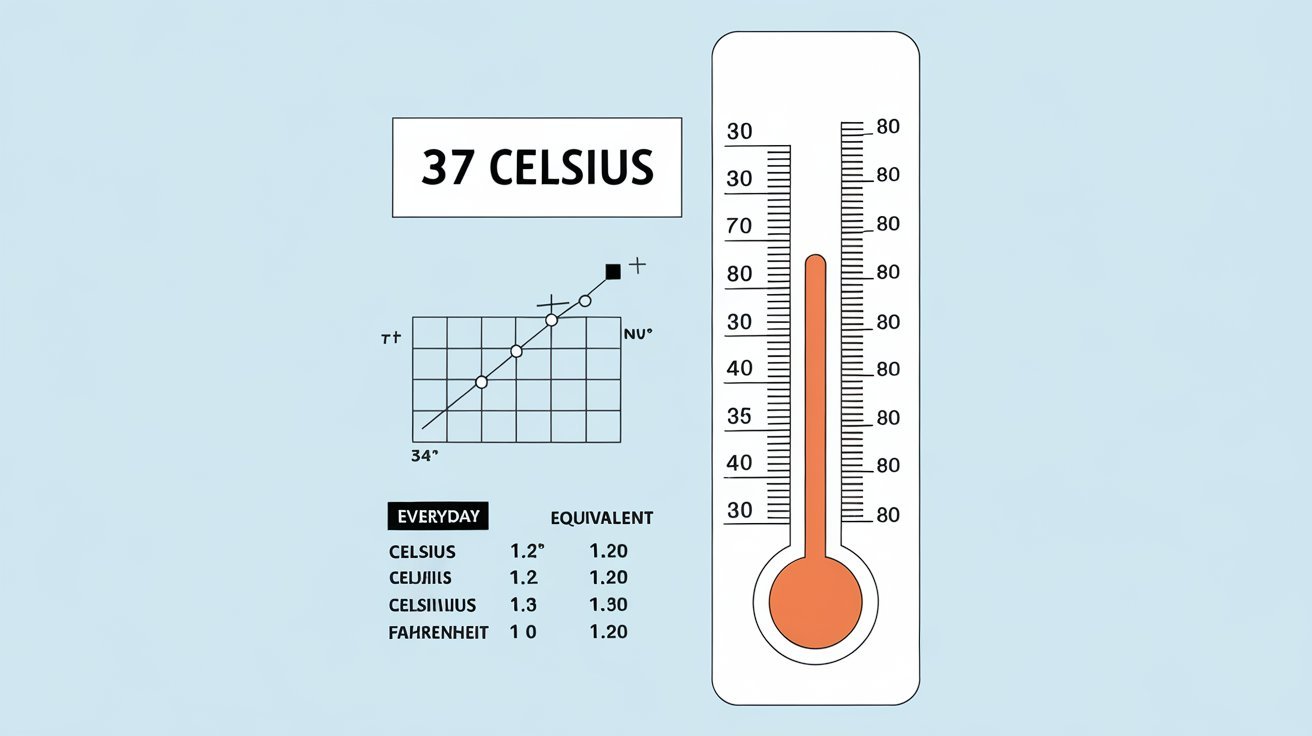
If you have ever wondered 37 Celsius to Fahrenheit, you are not alone. This is one of the most searched temperature conversions because 37°C represents the average normal human body temperature and is commonly used in healthcare, weather discussions, science, cooking, and education. While most countries use the Celsius scale, others—such as the United States—primarily use the Fahrenheit scale. Knowing how to convert temperatures between these two systems can help you understand weather forecasts, medical readings, recipes, and scientific information with confidence.
The answer is simple: 37°C equals 98.6°F. However, understanding how this conversion works is equally important. In this comprehensive guide, you’ll learn the conversion formula, step-by-step calculations, practical examples, a conversion chart, common mistakes to avoid, and answers to frequently asked questions. Whether you’re a student, traveler, healthcare worker, or simply curious, this guide covers everything you need to know about converting 37 Celsius to Fahrenheit.
SEO Title Ideas with Target Keywords
1. 37 Celsius to Fahrenheit: Quick Conversion Formula and Calculator Guide
Target Keywords
- 37 Celsius to Fahrenheit
- Celsius to Fahrenheit
- Temperature conversion
- Convert Celsius to Fahrenheit
- 37°C to °F
Why These Keywords Matter
These keywords directly target users searching for instant conversions while also covering broader search terms related to temperature calculations.
2. What Is 37°C in Fahrenheit? Complete Temperature Conversion Guide
Target Keywords
- What is 37°C in Fahrenheit
- 37 degrees Celsius
- Fahrenheit conversion
- Body temperature conversion
Why These Keywords Matter
Many users search using questions rather than keywords, making this title highly optimized for voice search and featured snippets.
3. 37 Celsius Equals How Many Fahrenheit? Step-by-Step Explanation
Target Keywords
- 37 Celsius equals Fahrenheit
- Celsius formula
- Temperature calculator
- Celsius conversion
Why These Keywords Matter
This title targets educational searches where readers want to understand the calculation rather than just seeing the answer.
37 Celsius to Fahrenheit Answer
The exact conversion is:
37°C = 98.6°F
This temperature is famous because it represents the average healthy human body temperature.
Celsius to Fahrenheit Formula
To convert Celsius into Fahrenheit, use this equation:
°F = (°C × 9/5) + 32
The formula works for every Celsius temperature.
Step-by-Step Calculation
Let’s calculate 37 Celsius to Fahrenheit.
Step 1
Multiply Celsius by 9.
37 × 9 = 333
Step 2
Divide by 5.
333 ÷ 5 = 66.6
Step 3
Add 32.
66.6 + 32 = 98.6°F
Therefore,
37°C = 98.6°F
Why Is 37°C So Important?
The temperature of 37 degrees Celsius is widely recognized because it is considered the average normal body temperature for healthy adults. Doctors, nurses, hospitals, and healthcare professionals around the world use Celsius for measuring body temperature in many countries. When converted to the Fahrenheit scale, this becomes 98.6°F, which has been used as the standard normal body temperature for many years. Although modern medical research shows that healthy body temperature can vary slightly depending on age, activity level, time of day, and individual differences, 37°C (98.6°F) remains the internationally recognized reference point.
Where You May See 37°C
You may encounter this temperature in many everyday situations. Medical thermometers often display 37°C as a normal body temperature. Travelers moving between countries that use different temperature scales frequently need to convert Celsius into Fahrenheit. Science laboratories, chemistry experiments, biology classes, engineering projects, weather discussions, and educational materials also use both temperature scales. Understanding how to convert temperatures makes it easier to communicate internationally and interpret information accurately.
Celsius vs Fahrenheit
Celsius and Fahrenheit are two different temperature measurement systems. The Celsius scale is based on the freezing point of water at 0°C and the boiling point at 100°C under standard atmospheric pressure. Fahrenheit places the freezing point of water at 32°F and the boiling point at 212°F. Because the spacing between degrees differs, a mathematical formula is required to convert temperatures accurately from one scale to the other. Most countries use Celsius for daily weather reports and scientific measurements, while Fahrenheit remains common in the United States for weather forecasts and household thermometers.
Quick Conversion Chart
| Celsius | Fahrenheit |
|---|---|
| 35°C | 95°F |
| 36°C | 96.8°F |
| 37°C | 98.6°F |
| 38°C | 100.4°F |
| 39°C | 102.2°F |
| 40°C | 104°F |
Practical Examples
Imagine you visit a doctor in Europe, where thermometers display temperatures in Celsius. If your reading is 37°C, you know it converts to 98.6°F, indicating a typical body temperature. Conversely, if you are accustomed to Fahrenheit and see a reading of 98.6°F, you can recognize it as 37°C. Travelers often use these conversions to interpret weather forecasts, especially when moving between countries that use different measurement systems. Students also encounter these calculations in mathematics and science classes, making this conversion both practical and educational.
Common Temperature Conversions
- 0°C = 32°F
- 10°C = 50°F
- 20°C = 68°F
- 25°C = 77°F
- 30°C = 86°F
- 37°C = 98.6°F
- 40°C = 104°F
- 50°C = 122°F
- 100°C = 212°F
Common Mistakes When Converting Celsius to Fahrenheit
Many people accidentally forget to multiply by 9/5 before adding 32, which leads to incorrect results. Others mistakenly add 32 first and then multiply, producing inaccurate temperatures. Another common mistake is confusing Celsius and Fahrenheit symbols, especially when reading medical charts or weather forecasts. Using the correct formula and checking your calculations helps avoid these errors and ensures accurate conversions.
Tips for Remembering the Formula
A simple way to remember the Celsius-to-Fahrenheit conversion is to think of the process in two steps: first multiply the Celsius value by 9/5, then add 32. Memorizing the landmark conversion of 37°C = 98.6°F can also serve as a quick reference point, especially when interpreting body temperature readings. Regular practice with common temperatures will make conversions faster and more intuitive over time.
Conclusion
Converting 37 Celsius to Fahrenheit is straightforward once you understand the formula. By multiplying 37 by 9/5 and then adding 32, you arrive at the exact answer of 98.6°F. This temperature is especially significant because it represents the average normal human body temperature and is recognized worldwide. Whether you’re studying science, traveling internationally, interpreting medical information, or simply satisfying your curiosity, knowing how to convert Celsius to Fahrenheit is a valuable everyday skill. Keeping the conversion formula in mind will allow you to convert any Celsius temperature accurately and confidently.
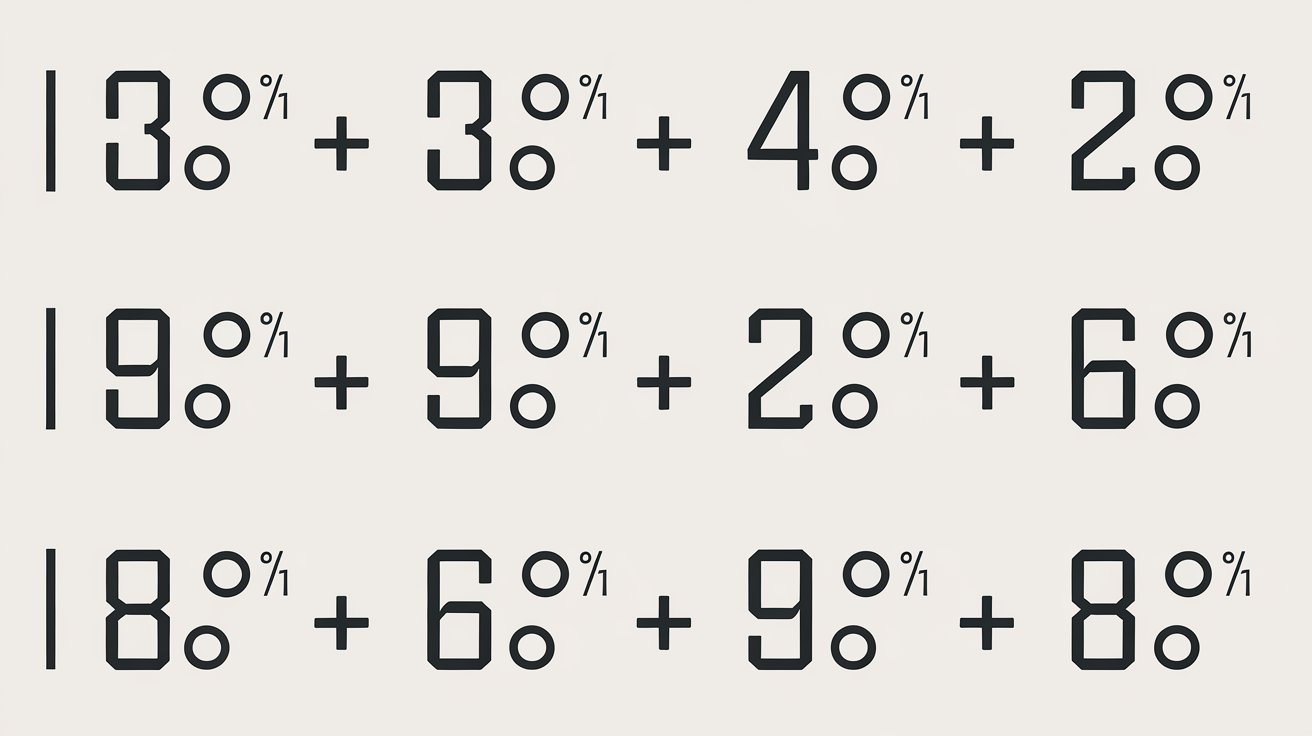
If you have searched “which of the following is an arithmetic sequence Brainly,” you are probably trying to solve a homework question, prepare for a quiz, or understand the concept of arithmetic sequences more clearly. Thousands of students use educational websites to verify answers, but simply copying an answer rarely helps build a solid understanding of mathematics. The good news is that arithmetic sequences are among the easiest algebra concepts once you understand the underlying pattern. Every arithmetic sequence follows a predictable rule based on adding or subtracting the same number repeatedly, making it much easier to identify than many other number patterns.
In this comprehensive guide, you’ll learn exactly what an arithmetic sequence is, how to recognize one quickly, the formulas involved, common mistakes students make, and multiple solved examples similar to questions often found on homework help platforms. By the end of this article, you’ll be able to solve arithmetic sequence questions confidently without relying solely on answer-sharing websites.
What Is an Arithmetic Sequence?
An arithmetic sequence is a sequence of numbers where the difference between consecutive terms is always the same. This constant difference is called the common difference, usually represented by the letter d. Unlike random number patterns, arithmetic sequences grow or decrease at a steady rate, making them one of the fundamental concepts in algebra and mathematics. Students encounter arithmetic sequences in school mathematics, standardized tests, and many real-world applications such as financial planning, engineering, computer programming, and data analysis.
For example:
- 2, 5, 8, 11, 14…
- 12, 9, 6, 3, 0…
- -4, 0, 4, 8, 12…
Each sequence changes by exactly the same amount every time, which is the defining characteristic of an arithmetic sequence.
How to Identify an Arithmetic Sequence
The easiest method is to subtract one term from the next.
For example:
Sequence:
10, 15, 20, 25, 30
Differences:
15−10 = 5
20−15 = 5
25−20 = 5
30−25 = 5
Since every difference equals 5, this is an arithmetic sequence.
Now consider:
2, 4, 8, 16, 32
Differences:
2
4
8
16
The differences are not constant, so this is not an arithmetic sequence.
Common Brainly-Style Questions
Example 1
Which of the following is an arithmetic sequence?
A. 3, 6, 9, 12, 15
B. 2, 4, 8, 16
C. 1, 1, 2, 3, 5
D. 5, 10, 20, 40
Answer:
Option A is correct because every number increases by 3.
Example 2
Find the common difference.
Sequence:
18, 25, 32, 39, 46
Subtract:
25−18 = 7
32−25 = 7
39−32 = 7
46−39 = 7
Therefore,
Common Difference = 7
Example 3
Is this an arithmetic sequence?
100, 95, 90, 85, 80
Yes.
Each term decreases by 5.
Arithmetic Sequence Formula
The nth term formula is:
aₙ = a₁ + (n − 1)d
Where:
- a₁ = first term
- d = common difference
- n = term number
- aₙ = nth term
This formula allows you to find any term without listing all previous terms.
Step-by-Step Example
Find the 20th term.
Sequence:
5, 9, 13, 17…
First term = 5
Difference = 4
n = 20
Formula:
a₂₀ = 5 + (20−1) × 4
= 5 + 76
= 81
Therefore, the twentieth term equals 81.
Real-Life Applications
Arithmetic sequences are not limited to classroom exercises. They are widely used in budgeting, salary progression, installment plans, inventory management, scheduling, construction measurements, computer algorithms, and scientific modeling. Any situation involving equal increases or decreases over time can often be represented using an arithmetic sequence, making the concept valuable far beyond mathematics exams.
Common Mistakes Students Make
Many learners confuse arithmetic sequences with geometric sequences, assuming any increasing pattern qualifies as arithmetic. However, arithmetic sequences rely on a constant difference, while geometric sequences rely on a constant ratio. Another common mistake is checking only the first two numbers instead of verifying the difference between every consecutive pair. Students may also substitute incorrect values into the nth-term formula or forget that decreasing sequences can still be arithmetic if the common difference is consistently negative. Carefully checking each step helps avoid these errors.
Practice Questions
- Which sequence is arithmetic?
A. 4, 8, 12, 16
B. 3, 6, 12, 24
C. 1, 2, 4, 8
D. 5, 25, 125
Answer: A
- Find the common difference.
9, 13, 17, 21
Answer:
Difference = 4
- Is this arithmetic?
40, 34, 28, 22
Answer:
Yes
Difference = −6
Tips for Solving Arithmetic Sequence Questions Faster
Always begin by calculating the difference between consecutive terms. If every difference is identical, you have an arithmetic sequence. When finding a specific term, use the nth-term formula instead of writing out every term, especially for large values of n. Double-check your arithmetic, pay attention to negative differences, and practice with a variety of examples to build speed and accuracy.
Conclusion
Understanding arithmetic sequences becomes straightforward once you recognize the importance of a constant common difference. Instead of memorizing answers from homework forums, focus on the simple process of checking the difference between consecutive numbers and applying the nth-term formula when needed. With consistent practice, you will be able to solve questions like “Which of the following is an arithmetic sequence?” quickly and confidently, whether they appear in homework, classroom tests, or competitive exams. Mastering this topic also provides a strong foundation for more advanced mathematical concepts involving patterns, series, and algebraic reasoning.
Frequently Asked Questions (FAQ)
What is an arithmetic sequence?
An arithmetic sequence is a list of numbers in which the difference between consecutive terms remains constant.
How do I know if a sequence is arithmetic?
Subtract each term from the next. If every difference is the same, it is an arithmetic sequence.
What is the common difference?
The common difference is the fixed value added to or subtracted from each term to obtain the next term.
What is the formula for the nth term?
The nth term is calculated using the formula:
aₙ = a₁ + (n − 1)d
where a₁ is the first term and d is the common difference.
Can an arithmetic sequence decrease?
Yes. If the common difference is negative, the sequence decreases while still remaining arithmetic.
What is the difference between an arithmetic and a geometric sequence?
An arithmetic sequence changes by adding or subtracting the same amount each time, while a geometric sequence changes by multiplying or dividing by the same ratio.
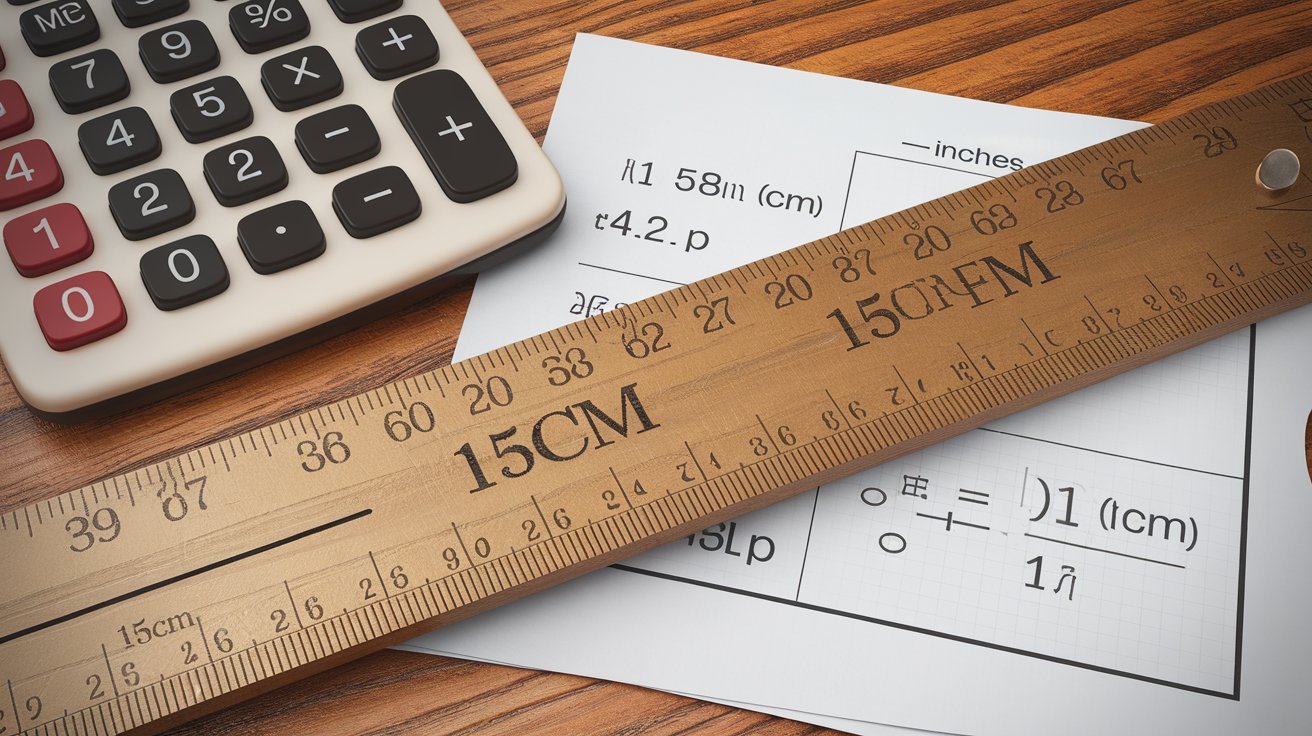
Converting 15cm to inches is one of the most common measurement calculations people make every day. Whether you’re shopping online, measuring furniture, checking clothing sizes, working on a school assignment, completing a DIY project, or following a recipe that uses metric measurements, understanding how to convert centimeters into inches is an essential skill. Since different countries use different measurement systems, knowing the conversion between centimeters and inches can help avoid mistakes and ensure accurate results.
The metric system is widely used around the world, while the imperial system remains common in countries like the United States. Because of this difference, many people frequently search for 15 cm in inches, 15 centimeters to inches, and cm to inches conversion. Fortunately, converting centimeters into inches is straightforward once you understand the basic formula. This guide explains everything you need to know about converting 15 centimeters into inches, including the exact answer, the conversion formula, practical examples, comparison charts, real-world applications, and answers to frequently asked questions.
What Is 15cm in Inches?
The exact conversion is:
15 centimeters = 5.9055 inches
Rounded values include:
- 5.91 inches (most common)
- 5.9 inches (rounded to one decimal)
- 5.9055 inches (exact)
So, whenever someone asks how much is 15cm in inches, the simplest answer is:
15 cm = approximately 5.91 inches.
The Formula to Convert Centimeters to Inches
The conversion formula is simple:
Inches = Centimeters ÷ 2.54
Since one inch equals exactly 2.54 centimeters, dividing any centimeter measurement by 2.54 provides the equivalent measurement in inches.
For 15 centimeters:
15 ÷ 2.54 = 5.9055 inches
This internationally accepted formula ensures accurate conversions for every measurement.
Step-by-Step Calculation
Let’s calculate it manually.
Step 1: Write the measurement.
15 cm
Step 2: Divide by 2.54.
15 ÷ 2.54
Step 3: Solve the equation.
= 5.9055
Answer:
15 cm = 5.9055 inches
Quick Conversion Table
| Centimeters | Inches |
|---|---|
| 10 cm | 3.94 in |
| 11 cm | 4.33 in |
| 12 cm | 4.72 in |
| 13 cm | 5.12 in |
| 14 cm | 5.51 in |
| 15 cm | 5.91 in |
| 16 cm | 6.30 in |
| 17 cm | 6.69 in |
| 18 cm | 7.09 in |
| 19 cm | 7.48 in |
| 20 cm | 7.87 in |
Why Convert 15cm to Inches?
Many situations require converting metric measurements into imperial units. International online shopping often lists product dimensions in centimeters, while buyers in countries using inches need quick conversions. Carpenters and builders regularly work with both systems when reading plans or installing imported materials. Students encounter these conversions in math, science, engineering, and geography courses. Tailors, fashion designers, and consumers also compare clothing measurements between international sizing standards. In photography, printing, electronics, and manufacturing, dimensions may appear in either centimeters or inches depending on the product’s origin. Understanding how to convert 15 centimeters to inches helps ensure accuracy and avoids costly mistakes.
Real-Life Examples
Smartphone Size
A phone measuring 15 cm in height is about 5.91 inches tall.
Picture Frame
A frame measuring 15 cm wide equals approximately 5.9 inches, making it easier to compare with frame sizes sold in inches.
School Ruler
Many rulers display both centimeters and inches. The 15 cm mark aligns closely with 5.91 inches.
Craft Projects
DIY enthusiasts often purchase materials from international suppliers. Knowing that 15 centimeters equals roughly 6 inches simplifies measuring and cutting.
Understanding Centimeters
A centimeter is a metric unit of length equal to one hundredth of a meter. It is abbreviated as cm and is commonly used for everyday measurements, including the dimensions of books, clothing, furniture, electronics, and household items. The metric system is based on powers of ten, making calculations straightforward and widely adopted across most countries.
Understanding Inches
An inch is a unit of length in the imperial and U.S. customary measurement systems. It is abbreviated as in or represented by the double quotation mark (“). There are exactly 12 inches in one foot and 36 inches in one yard. Inches are commonly used in the United States for measuring screens, furniture, construction materials, and personal height
Common Centimeter to Inch Conversions
| Centimeters | Inches |
| 1 cm | 0.39 in |
| 2 cm | 0.79 in |
| 5 cm | 1.97 in |
| 8 cm | 3.15 in |
| 10 cm | 3.94 in |
| 15 cm | 5.91 in |
| 25 cm | 9.84 in |
| 30 cm | 11.81 in |
| 50 cm | 19.69 in |
| 100 cm | 39.37 in |
Tips for Accurate Conversions
Always use the exact conversion factor of 2.54 centimeters per inch when precision matters. While rounding to 5.9 inches is acceptable for casual use, engineering, manufacturing, woodworking, and scientific applications often require the more precise value of 5.9055 inches. Digital calculators can help eliminate rounding errors, but understanding the underlying formula allows you to verify results confidently.
Benefits of Learning Measurement Conversions
Learning how to convert between centimeters and inches is a practical skill that simplifies daily life. It helps when shopping from international retailers, reading product specifications, completing school assignments, planning home improvement projects, and communicating measurements across countries. Familiarity with both systems also improves problem-solving abilities and makes it easier to work with global standards in education and professional environments.
Conclusion
Converting 15cm to inches is simple once you know the standard formula. By dividing the centimeter value by 2.54, you find that 15 centimeters equals 5.9055 inches, which is commonly rounded to 5.91 inches. This conversion is useful in countless real-world situations, from shopping and travel to education, construction, design, and everyday measurements. Understanding the relationship between centimeters and inches not only saves time but also ensures accuracy whenever you work with different measurement systems. Whether you’re converting a single value or comparing multiple dimensions, mastering this basic calculation is a valuable and practical skill.
Frequently Asked Questions (FAQs)
What is 15cm in inches?
15 cm equals 5.9055 inches, or approximately 5.91 inches when rounded.
Is 15 cm equal to 6 inches?
No. 15 centimeters is slightly less than 6 inches. The exact value is 5.9055 inches.
How do I convert centimeters to inches?
Divide the number of centimeters by 2.54.
Formula:
Inches = Centimeters ÷ 2.54
Why is 2.54 used in the formula?
Because one inch is defined as exactly 2.54 centimeters under the international measurement standard.
Can I round 15 cm to 6 inches?
For rough estimates, rounding to 6 inches may be acceptable. However, for accurate work, use 5.91 inches or the exact value 5.9055 inches.
Is the conversion exact?
Yes. The conversion factor of 1 inch = 2.54 centimeters is an exact international standard.
Where is this conversion commonly used?
It is commonly used in online shopping, construction, engineering, manufacturing, education, sewing, woodworking, graphic design, photography, and many other fields where both metric and imperial measurements are encountered.

Chevy Hybrid SUV: Models, Features, Fuel Economy, and What to Know in 2026

You Make Beautiful Things Out of Dust Lyrics: Meaning, Message, and Song Guide

Mayci Neeley: Biography, Career, Family, and Her Rise to Reality TV Fame

Epic Seven Tier List 2026: Best Heroes Ranked for PvE, PvP, Arena, and Hunts

Prostate Supplement Colibrim: Benefits, Ingredients, How It Works, Side Effects, Reviews, and Complete Buying Guide

Teal Teal Teal: Meaning, Symbolism, Uses, and Why This Beautiful Color Continues to Inspire
 Entertainment3 months ago
Epic Seven Tier List 2026: Best Heroes Ranked for PvE, PvP, Arena, and Hunts
- Sports3 months ago
Prostate Supplement Colibrim: Benefits, Ingredients, How It Works, Side Effects, Reviews, and Complete Buying Guide
- Fashion3 months ago
Teal Teal Teal: Meaning, Symbolism, Uses, and Why This Beautiful Color Continues to Inspire
- Business3 months ago
Contract Lawyer: Complete Guide to Legal Contracts, Business Protection, and Expert Legal Advice
- Tech3 months ago
Haxillzojid54: The Complete Guide to Understanding This Innovative Digital Platform
- Business3 months ago
Success100x.com Factors: The Complete Guide to Understanding Every Growth Factor
- Fashion3 months ago
Flower Background: The Ultimate Guide to Beautiful Floral Backgrounds for Every Project
- Business3 months ago
Armstrong and Getty One More Thing: The Complete Guide to the Popular Podcast Segment