Fashion
Flower Background: The Ultimate Guide to Beautiful Floral Backgrounds for Every Project

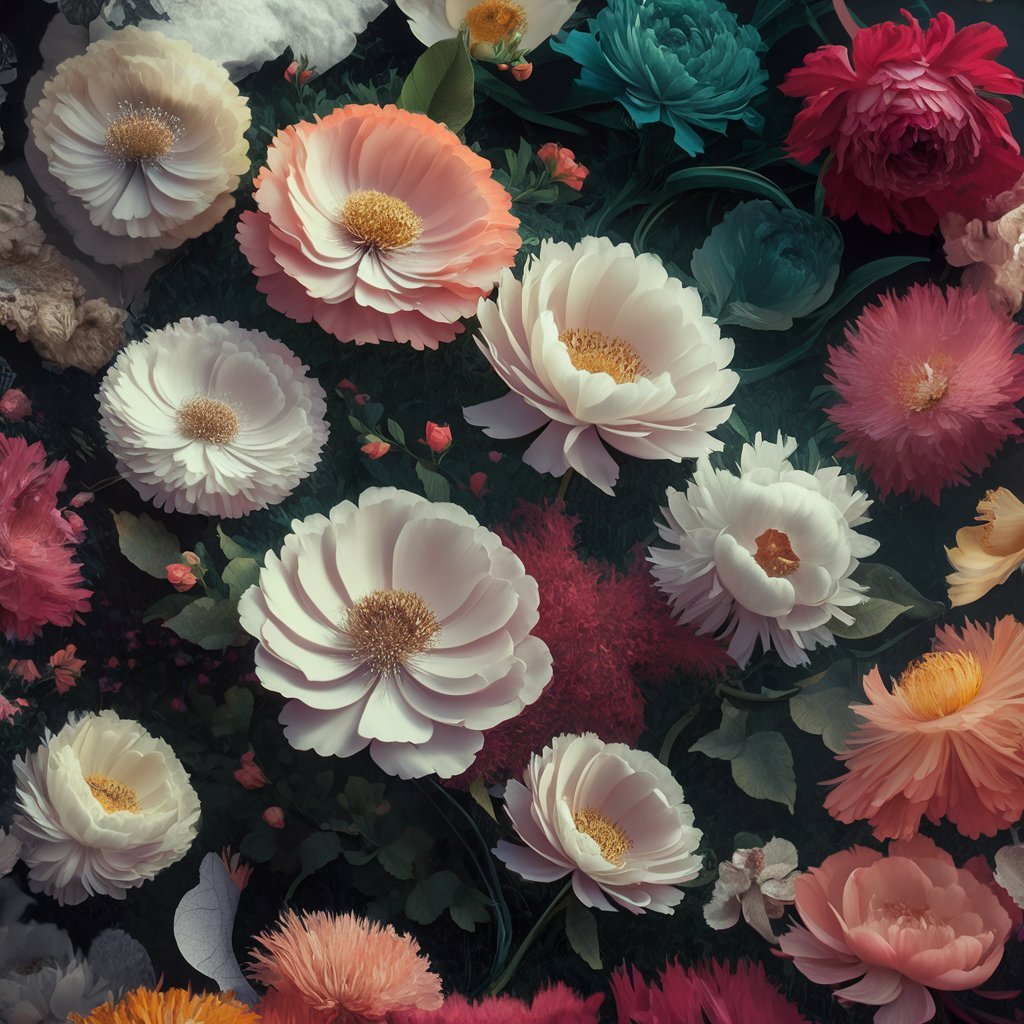
A flower background is one of the most popular visual elements used across digital and print media because it instantly adds elegance, freshness, and natural beauty to any design. Whether you are creating a website, designing wedding invitations, editing photographs, making social media posts, preparing presentations, or simply searching for a beautiful wallpaper for your phone or desktop, flower backgrounds provide the perfect combination of color, texture, and artistic appeal. Their timeless charm makes them suitable for every season, every occasion, and almost every creative industry.
Flowers symbolize happiness, love, peace, growth, and positivity. Because of these meanings, floral backgrounds have become increasingly popular among photographers, bloggers, businesses, graphic designers, marketers, educators, and content creators. Modern flower backgrounds are available in countless styles including realistic photography, watercolor art, minimalist illustrations, vintage patterns, tropical flowers, abstract floral designs, and colorful botanical themes. Understanding how to choose the right flower background can improve the visual quality of your project while also increasing audience engagement and making your content more memorable.
What Is a Flower Background?
A flower background is an image or decorative design featuring flowers that serves as the backdrop for digital or printed content. It can include a single flower, a bouquet, blooming gardens, floral patterns, or artistic botanical illustrations. These backgrounds are commonly used in websites, mobile wallpapers, greeting cards, business presentations, marketing campaigns, social media graphics, book covers, invitations, posters, and photography.
Flower backgrounds vary in style depending on the intended purpose. Soft pastel flowers create elegant wedding themes, while vibrant tropical flowers are perfect for summer promotions. Minimal floral designs work well for professional branding, whereas colorful blossoms add energy to creative artwork. Because flowers come in thousands of species, colors, and shapes, designers have endless possibilities for creating visually appealing compositions.
Why Flower Backgrounds Are So Popular
Flower backgrounds continue to dominate design trends because they appeal to people of every age and culture. Their natural beauty creates positive emotions that make viewers feel calm, inspired, and connected with nature. Scientific studies have shown that floral imagery can improve mood, reduce stress, and increase visual engagement.
Businesses frequently use flower backgrounds in advertisements because colorful floral imagery attracts attention without appearing overly aggressive. Wedding planners, event organizers, beauty brands, skincare companies, florists, bloggers, and lifestyle influencers also rely on floral backgrounds to communicate elegance and sophistication. Even educational materials often include subtle flower designs to make learning resources more visually appealing.
Different Types of Flower Backgrounds
There are numerous styles of flower backgrounds available for different purposes. Realistic flower photography captures the natural beauty of roses, tulips, lilies, orchids, daisies, and sunflowers in stunning detail. Watercolor floral backgrounds offer a soft artistic appearance that works beautifully for invitations and greeting cards. Vintage flower patterns create a timeless classic atmosphere, while minimalist floral backgrounds use simple line art and soft colors to produce clean modern designs.
Abstract flower backgrounds combine artistic textures, colorful gradients, and creative illustrations to produce unique digital artwork. Tropical flower backgrounds featuring hibiscus, plumeria, and exotic blooms are popular for vacation advertisements and travel websites. Seasonal flower backgrounds featuring cherry blossoms, lavender fields, autumn flowers, or spring gardens allow designers to match the mood of different times of the year.
Best Uses for Flower Backgrounds
Flower backgrounds can be used in countless creative projects. Graphic designers use them in brochures, flyers, logos, presentations, business cards, and advertisements. Photographers add floral backgrounds to portrait sessions to create romantic and elegant images. Social media influencers use flower backgrounds to make Instagram posts, Pinterest graphics, YouTube thumbnails, and Facebook banners more attractive.
Wedding invitations frequently feature floral borders and botanical illustrations because flowers symbolize love and celebration. Businesses in the beauty and wellness industry use floral backgrounds for skincare products, cosmetics, perfumes, and spa advertisements. Teachers, students, bloggers, and marketers also use flower backgrounds in educational presentations, blog headers, newsletters, printable planners, and promotional materials.
Popular Flowers Used in Background Designs
Each flower carries its own symbolism and visual appeal. Roses represent love and romance, making them ideal for wedding invitations and Valentine’s Day promotions. Sunflowers symbolize happiness and positivity, creating cheerful backgrounds for summer projects. Lavender conveys calmness and relaxation, making it perfect for wellness brands and spa advertisements.
Cherry blossoms represent renewal and beauty, while orchids symbolize luxury and sophistication. Tulips are associated with spring and fresh beginnings, daisies communicate simplicity and innocence, and peonies represent prosperity and elegance. Choosing the right flower helps reinforce the emotional message of your design.
How to Choose the Perfect Flower Background
Selecting the right flower background depends on your project’s purpose, audience, and overall style. Bright colorful flowers work well for celebrations and marketing campaigns, while soft pastel flowers create elegant and professional designs. High-resolution images ensure excellent quality on both digital screens and printed materials. The background should complement your text rather than overpower it, leaving enough empty space for headlines and important information.
Matching flower colors with your brand identity can strengthen visual consistency. For example, green and white floral themes often communicate freshness and sustainability, while pink flowers are associated with beauty and femininity. Blue floral backgrounds create feelings of trust and calmness, whereas yellow flowers inspire optimism and energy.
Benefits of Using Flower Backgrounds
Flower backgrounds enhance visual appeal, improve audience engagement, create emotional connections, and strengthen brand identity. They are versatile enough for personal and commercial use while remaining timeless across changing design trends. Floral imagery also supports storytelling by helping communicate emotions that words alone may not fully express.
Because flower backgrounds naturally attract attention, they can increase the effectiveness of advertisements, social media posts, websites, and presentations. High-quality floral designs also make digital products appear more professional, increasing user trust and encouraging longer interaction with your content.
SEO Tips for Flower Background Content
If you want your flower background content to rank well on Google, naturally include relevant keywords throughout your headings and body text. Use phrases such as “flower background,” “flower wallpaper,” “HD flower background,” “floral background design,” “flower background images,” and “beautiful flower wallpaper.” Write original, valuable content that answers readers’ questions, optimize image file names and alt text, use descriptive headings, and maintain a logical content structure. Fast-loading images, mobile-friendly pages, and internal linking also contribute to improved search engine performance.
Conclusion
Flower backgrounds remain one of the most versatile and visually appealing design elements available today. Their ability to communicate beauty, elegance, freshness, and positivity makes them suitable for nearly every creative project, from websites and social media graphics to invitations, presentations, photography, and digital art. With thousands of floral styles, colors, and artistic approaches available, finding the perfect flower background has never been easier. By selecting high-quality images and following SEO best practices, you can create attractive content that not only captivates visitors but also performs well in search engine rankings.
Frequently Asked Questions (FAQs)
1. What is a flower background?
A flower background is a floral image or decorative design used behind text, graphics, photographs, or digital content to enhance visual appeal.
2. Where can flower backgrounds be used?
They can be used for websites, mobile wallpapers, desktop wallpapers, invitations, presentations, social media graphics, photography, digital art, greeting cards, and marketing materials.
3. Why are flower backgrounds so popular?
Flower backgrounds create positive emotions, improve visual attractiveness, and suit a wide variety of personal and professional projects.
4. Which flowers are commonly used in floral backgrounds?
Popular choices include roses, tulips, daisies, orchids, lilies, cherry blossoms, lavender, peonies, hibiscus, and sunflowers.
5. Are HD flower backgrounds better?
Yes. HD and high-resolution flower backgrounds produce sharper images and maintain quality across large screens and printed materials.
6. How do flower backgrounds help SEO?
Optimized flower images with descriptive file names, alt text, and relevant keywords can improve image search visibility and support overall on-page SEO.
7. Can flower backgrounds be used for commercial projects?
Yes, provided you have the appropriate license or use royalty-free images that permit commercial use.
8. What colors work best in flower backgrounds?
The best colors depend on your project’s purpose. Soft pastel shades create elegant designs, while bright colors attract attention and add energy to promotional materials.

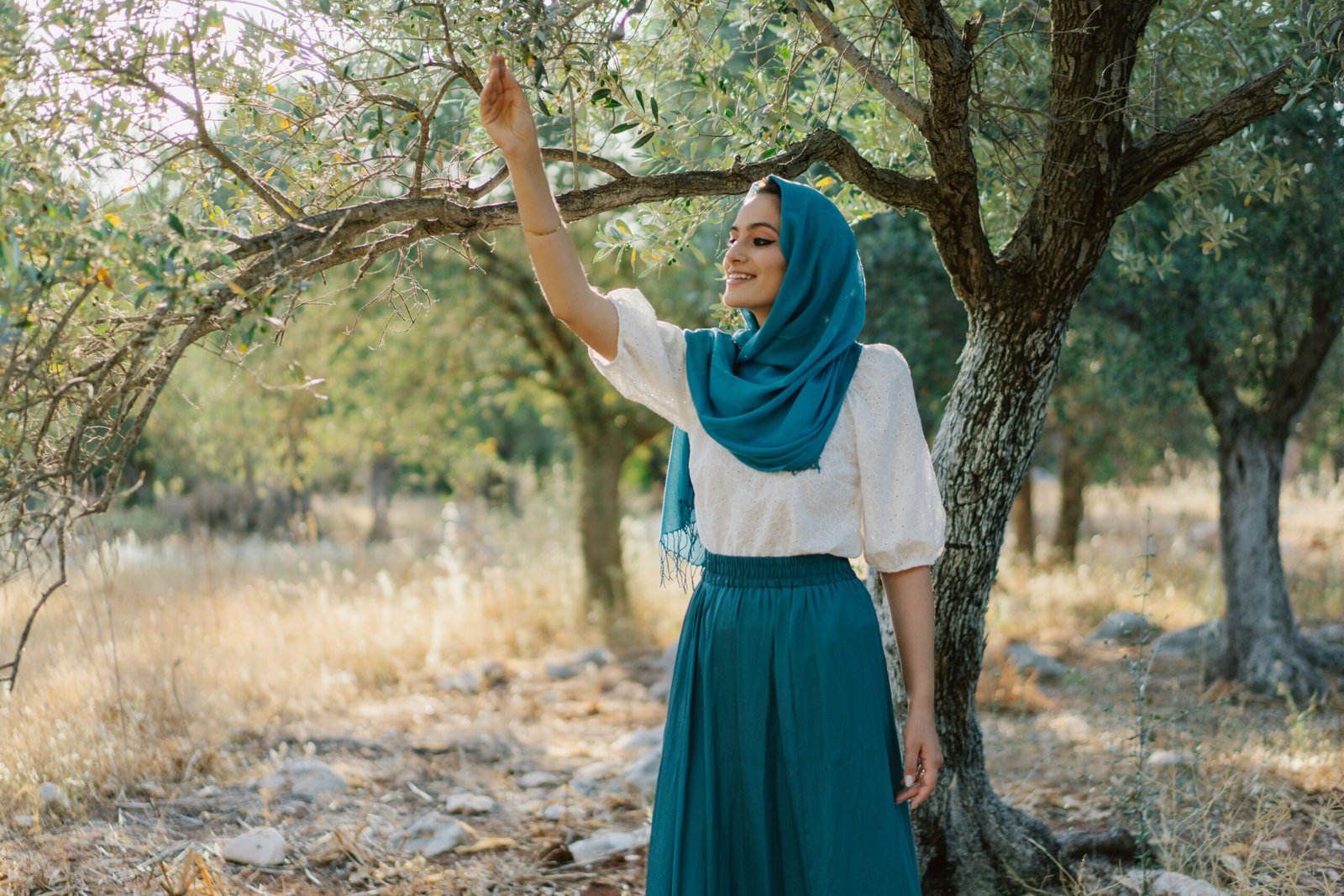
Modeen is a keyword that can lead people to several different types of information, but one of the most visible current uses is connected with Modeen Boutique and modest fashion. The brand presents itself around contemporary modest clothing for the whole family, with products including hijabs, abayas, dresses, men’s and children’s clothing, and other essentials. Its current online store describes its collections as modest fashion designed with comfort and fit in mind, with products manufactured in Dubai. For shoppers searching for Modeen, understanding what the brand offers, what types of clothing are available, how its collections fit into modern wardrobes, and what to consider before purchasing can make the shopping experience much easier. This guide explores Modeen from a practical perspective, covering its fashion concept, product categories, styling possibilities, shopping considerations, and frequently asked questions.
What Is Modeen?
Modeen is associated with a contemporary modest-fashion concept that combines coverage, comfort, and modern styling. The brand’s current store describes its offering as modest fashion for women, men, and children, making it broader than a boutique focused exclusively on one category of clothing. Its product range includes pieces such as hijabs, abayas, dresses, and other modest essentials, with an emphasis on comfortable cuts and practical everyday use. This positioning makes the keyword Modeen particularly relevant to people searching for modest clothing that can work across different situations rather than being limited to special occasions. Instead of treating modest fashion as a single fixed style, the Modeen concept presents it as a wardrobe approach in which silhouettes, fabrics, colors, layering, and accessories can be combined to create outfits that are both covered and contemporary.
It is also important to recognize that Modeen does not have only one meaning online. The word appears as a surname and is associated with family-history information, while other results refer to people or organizations using Modeen as part of their name. This means that an article targeting the keyword should avoid assuming that every person searching for “Modeen” has exactly the same intention. For an SEO strategy, however, the strongest approach is to establish the primary subject clearly in the introduction and then naturally incorporate related terms such as Modeen Boutique, Modeen clothing, Modeen fashion, modest fashion, abayas, and hijabs throughout the article.
Modeen and the Growth of Modern Modest Fashion
Modest fashion has developed considerably beyond the idea that covered clothing must be plain or traditional. Modern shoppers increasingly look for pieces that provide appropriate coverage while still offering attractive silhouettes, wearable colors, comfortable materials, and enough flexibility to create different outfits. Modeen’s current positioning reflects this broader direction by presenting modest clothing for different members of the family rather than concentrating on one narrow demographic. This makes modest fashion easier to incorporate into everyday life because shoppers can choose individual pieces according to their own preferences and combine them with clothing they already own.
A major advantage of contemporary modest fashion is versatility. A long dress can become an everyday outfit with simple accessories, while a more elegant abaya can be appropriate for gatherings or occasions. Hijabs can also change the overall appearance of an outfit without requiring an entirely new wardrobe. This approach makes clothing more adaptable and can help shoppers build a smaller collection of garments that work in multiple situations. For anyone researching Modeen fashion, this versatility is one of the most useful concepts to consider because the value of a clothing item is not determined only by how it looks in a product photograph but also by how easily it fits into a real wardrobe.
Modeen Abayas and Modest Dresses
Abayas and modest dresses are among the most recognizable categories within the Modeen collection. The brand describes its abayas and dresses around flowing cuts and modest silhouettes designed for everyday occasions. This type of design can appeal to shoppers who want a complete outfit without having to coordinate numerous separate pieces. A well-designed long dress or abaya can provide a polished appearance while remaining practical enough for regular wear, and the overall look can be changed through footwear, handbags, scarves, jewelry, or outer layers.
When choosing a Modeen abaya or modest dress, shoppers should pay attention to more than the color and overall design. Fit, length, fabric behavior, sleeve construction, transparency, and ease of movement can all affect how useful a garment becomes after purchase. Someone looking for everyday clothing may prefer a lightweight and easy-care fabric, while a shopper purchasing an outfit for an event might prioritize a more structured or decorative design. Thinking about where and how frequently the garment will be worn is therefore a better purchasing strategy than selecting a piece solely because it looks attractive online.
Modeen Hijabs and Everyday Styling
Hijabs are another important part of the Modeen offering, and the current store includes bamboo jersey hijabs among its listed products. Fabric choice can make a significant difference to the overall hijab experience because different materials behave differently when wrapped, pinned, layered, and worn throughout the day. A jersey-style hijab, for example, can offer a different feel and styling experience from a lightweight woven scarf. The right option ultimately depends on personal preference, climate, outfit requirements, and the type of drape a shopper wants.
One of the easiest ways to make a modest wardrobe more versatile is to coordinate hijabs with existing clothing rather than purchasing an entirely new outfit for every occasion. Neutral shades can work across many different garments, while richer or contrasting colors can create a more distinctive appearance. Someone building a Modeen-inspired wardrobe can therefore begin with a small selection of versatile hijabs and gradually add colors and fabrics according to seasonal needs. This creates more outfit combinations while keeping the overall wardrobe practical.
Modeen Fashion for the Whole Family
One feature that distinguishes the current Modeen positioning is its focus on modest fashion for the whole family. The brand describes its selection as including clothing and essentials for women, men, and children. A family-oriented approach can be particularly convenient for shoppers who prefer to explore multiple categories through one store rather than searching across several different retailers. It can also make coordinated shopping easier when preparing clothing for holidays, family gatherings, travel, or other occasions.
Family fashion does not necessarily mean that everyone needs to dress identically. Instead, coordinated modest clothing can involve complementary colors, similar levels of formality, or fabrics and silhouettes that create a visually consistent appearance. For example, different members of a family can select their own preferred garments while maintaining a similar overall aesthetic. This provides flexibility while still creating a cohesive style.
Why Comfort Matters in Modeen Clothing
Comfort is an important consideration when evaluating any clothing brand, particularly when garments are intended for everyday use. Modeen describes its products in terms of comfort and fit, which are especially relevant characteristics for modest clothing that may involve longer lengths, additional layers, or fuller silhouettes. Clothing that looks attractive but restricts movement, feels uncomfortable in warm weather, or requires constant adjustment is unlikely to become a favorite wardrobe item.
For this reason, shoppers should consider the practical characteristics of each garment before ordering. Product descriptions, sizing information, material details, and care instructions can provide useful information, while customer feedback may help reveal how products perform in everyday situations. It is also worth considering the climate in which the garment will be worn. A fabric that works well in cooler weather may not be equally comfortable during hot temperatures, so choosing materials according to the season can significantly improve the overall experience.
How to Choose the Right Modeen Outfit
Choosing the right Modeen outfit begins with identifying the purpose of the purchase. Everyday clothing, professional outfits, travel clothing, religious occasions, celebrations, and formal events can all require different combinations of coverage, comfort, and styling. Once the purpose is clear, shoppers can narrow their options according to fabric, length, color, silhouette, and budget. This approach prevents unnecessary purchases and makes it easier to select pieces that will genuinely be used.
Another useful strategy is to build outfits around versatile foundation pieces. A neutral abaya, long dress, or modest top can be paired with several different hijabs and accessories, creating multiple appearances from relatively few garments. Shoppers can then introduce statement pieces when they want additional variety. This is often more practical than buying numerous highly distinctive garments that only work with one particular combination. A thoughtful Modeen wardrobe should ideally balance personal style with repeat wear, comfort, and versatility.
What to Check Before Buying Modeen Clothing Online
Online clothing purchases require a little more attention because shoppers cannot physically examine the garment before ordering. Before purchasing Modeen clothing, carefully review the available sizing information and compare measurements with clothing that already fits well. Product photographs are useful for understanding color and design, but they cannot always communicate fabric weight, stretch, texture, or exact fit. Reading the product description carefully can therefore prevent many common shopping mistakes.
It is equally important to review shipping and return information before completing an order. Modeen’s current English-language store states that unworn items with tags and original packaging can generally be returned or exchanged within 30 days, while certain categories such as final-sale and hygiene-related items may be excluded. The store also states that orders are prepared within two to three business days and that delivery time varies according to the carrier and destination. Because policies can change, shoppers should always confirm the latest information directly on the store before placing an order.
Modeen Prices, Offers, and Value
Price is naturally one of the most important factors when comparing clothing options. The current Modeen store displays both regular and discounted prices on selected products, including some hijabs, dresses, and modest sets. However, the cheapest item is not automatically the best value. A better way to assess value is to consider fabric quality, construction, versatility, expected frequency of wear, and how easily the garment can be combined with other items.
Sales can be useful for expanding a wardrobe, particularly when shoppers select timeless pieces that can be worn repeatedly. Instead of buying something simply because it has a large discount, consider whether the item matches existing clothing and whether it suits your normal lifestyle. A discounted garment that remains unworn provides little practical value, while a moderately priced item that becomes a regular part of your wardrobe may ultimately offer much better value.
Modeen as a Modest-Fashion Shopping Destination
The current Modeen store positions itself as a destination for modest fashion across several categories, including women’s clothing, men’s clothing, children’s items, hijabs, abayas, and other essentials. This broad selection gives the keyword a stronger commercial dimension than a simple search for the meaning of a name. People searching for Modeen may be looking for a particular product, exploring modest-fashion trends, comparing clothing options, checking prices, or researching whether the store fits their personal style.
For content creators and website owners targeting the keyword, this variety creates opportunities to cover several related search intents without keyword stuffing. An effective article can naturally answer questions such as what Modeen is, what Modeen sells, what Modeen clothing is like, what types of modest fashion are available, how to choose the right size, and what shoppers should know about returns and delivery. This type of comprehensive coverage is generally more useful to readers than repeatedly inserting the exact keyword into every paragraph.
SEO Keywords Related to Modeen
For a website targeting Modeen, consider naturally incorporating the following related keywords throughout supporting content:
- Modeen
- Modeen Boutique
- Modeen clothing
- Modeen fashion
- Modeen modest fashion
- Modeen abaya
- Modeen hijab
- Modeen dresses
- Modeen collection
- Modeen clothing review
- Modeen online store
- modest fashion
- modest clothing
- modest dresses
- modest abayas
- family modest fashion
- contemporary modest clothing
- comfortable modest wear
- women’s modest fashion
- men’s modest clothing
- children’s modest clothing
These keywords should be used naturally according to the subject of each section. Avoid forcing every variation into the same paragraph because excessive repetition can make an article difficult to read and may weaken the quality of the content. A better SEO strategy is to answer the questions that users are likely to have and use relevant terminology where it genuinely fits.
Conclusion
Modeen represents a contemporary approach to modest fashion, with its current boutique offering clothing and essentials for women, men, and children, including abayas, dresses, hijabs, and other modest wardrobe pieces. Its emphasis on comfort, fit, versatility, and family-oriented modest clothing makes it relevant to shoppers who want fashion that combines coverage with modern styling. Whether someone is looking for an everyday abaya, a comfortable hijab, a modest dress, or clothing for another member of the family, understanding the available categories and considering factors such as fit, fabric, intended use, price, shipping, and returns can lead to better purchasing decisions.
For anyone searching specifically for Modeen, it is also useful to recognize that the term has other meanings online, including surname and personal-name references. Therefore, a strong search result should make its subject clear while providing comprehensive information around the user’s likely intent. For an SEO article, the strongest opportunity is to combine the primary keyword Modeen with relevant terms such as Modeen Boutique, Modeen clothing, Modeen fashion, Modeen abayas, Modeen hijabs, and modest fashion without sacrificing readability or usefulness.
Frequently Asked Questions About Modeen
What is Modeen?
Modeen is currently associated online with a modest-fashion boutique offering clothing and essentials for women, men, and children. Its collection includes items such as hijabs, abayas, dresses, and other modest clothing.
What does Modeen sell?
The current Modeen store offers modest fashion products including hijabs, abayas, dresses, men’s and children’s clothing, and other essentials.
Is Modeen focused on modest fashion?
Yes. Modeen’s current store explicitly presents itself around contemporary modest fashion for the whole family, with an emphasis on comfort and fit.
Does Modeen offer hijabs?
Yes. The current collection includes hijabs, including bamboo jersey hijab products.
Does Modeen sell abayas?
Yes. Abayas and dresses are featured as part of Modeen’s modest-fashion collection.
Can I return Modeen clothing?
According to the current Modeen store information, unworn products with tags and original packaging can generally be returned or exchanged within 30 days, although some categories may be excluded. Always check the latest policy before ordering.
How long does Modeen take to process orders?
Modeen currently states that orders are prepared within two to three business days, while actual delivery times depend on the carrier and destination.
Is Modeen only for women?
No. The current Modeen positioning covers modest fashion for women, men, and children, making it a broader family-oriented modest-fashion destination.
How can I make a Modeen outfit more versatile?
Choose neutral foundation pieces and combine them with different hijabs, accessories, footwear, and layers. This allows a relatively small wardrobe to produce many different looks while maintaining a modest aesthetic.
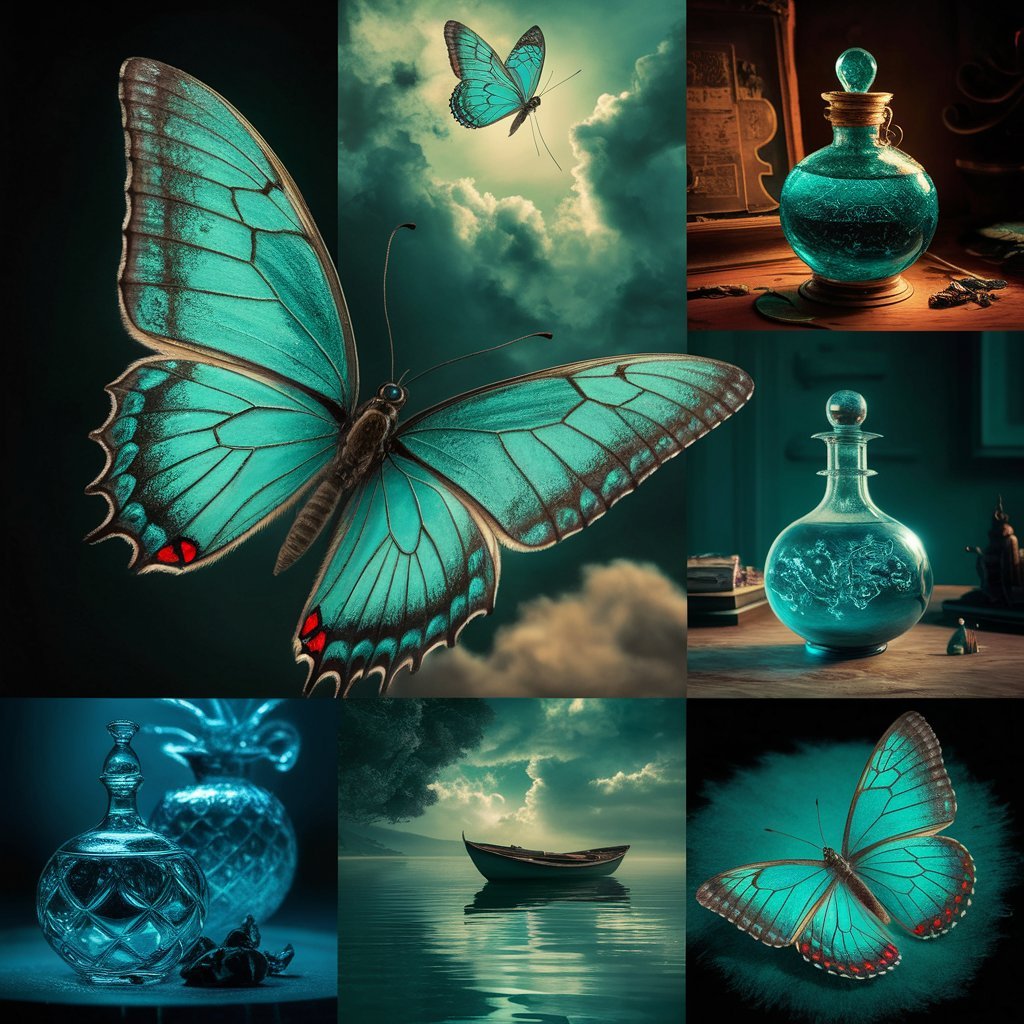
The phrase teal teal teal represents much more than a simple color reference. Teal is one of the most versatile and elegant colors used in fashion, interior design, digital branding, graphic design, and art. It combines the calming qualities of blue with the refreshing energy of green, creating a balanced shade that feels modern, sophisticated, and timeless. Whether you are decorating your home, choosing a brand identity, selecting clothing, or exploring color psychology, teal continues to stand out as a favorite choice across many industries. This comprehensive guide explores everything you need to know about teal teal teal, including its meaning, symbolism, psychological effects, practical applications, and reasons for its lasting popularity.
What Is Teal Teal Teal?
Teal is a medium-to-dark blue-green color that sits between blue and green on the color spectrum. It takes its name from the colorful stripe found on the head of the Eurasian teal duck. The phrase “teal teal teal” emphasizes the beauty and importance of this color, highlighting its growing popularity in creative fields. Designers often choose teal because it creates a perfect balance between calmness and energy, making it suitable for both professional and personal environments. Unlike brighter colors that may become overwhelming, teal offers sophistication without appearing dull, making it an excellent option for websites, logos, homes, offices, and fashion collections.
The Meaning Behind Teal
Teal symbolizes emotional balance, clarity, creativity, confidence, renewal, and tranquility. Many cultures associate teal with healing, open communication, and peaceful thinking. Because it blends blue’s trustworthiness with green’s connection to nature and growth, teal often represents harmony and stability. Businesses frequently use teal in branding because it communicates professionalism while still feeling approachable. Individuals are naturally attracted to teal because it creates a relaxing atmosphere that encourages focus and positive thinking.
Color Psychology of Teal
Color psychology studies how colors influence human emotions and behavior. Teal is widely recognized as a calming and refreshing color that reduces stress while encouraging creativity and concentration. It is commonly found in healthcare facilities, educational institutions, meditation spaces, and modern offices because of its soothing qualities. Many people feel more productive in environments where teal is used thoughtfully, as the color promotes mental clarity without becoming visually distracting. This unique psychological balance explains why teal has become increasingly popular in both residential and commercial design.
Teal in Interior Design
Interior designers frequently recommend teal because it works beautifully with many decorating styles. It complements neutral colors such as white, gray, beige, and cream while also pairing well with metallic finishes like gold, brass, and silver. Teal accent walls, furniture, rugs, curtains, and decorative accessories add personality without overwhelming a room. In bedrooms, teal creates a peaceful retreat that supports relaxation, while in living rooms it introduces elegance and warmth. Kitchens, bathrooms, and home offices also benefit from teal accents because the color provides freshness and sophistication simultaneously.
Teal in Fashion
Fashion designers have embraced teal for decades because it flatters a wide variety of skin tones and works throughout every season. Teal dresses, suits, shirts, handbags, scarves, and accessories offer a refined appearance suitable for casual, business, and formal occasions. The color pairs exceptionally well with black, white, navy, gray, brown, cream, and metallic accessories. Because teal combines richness with subtlety, it helps individuals create stylish outfits that remain timeless rather than following short-lived fashion trends.
Teal in Branding and Marketing
Companies use teal in their branding because it communicates trust, innovation, creativity, cleanliness, and reliability. Businesses operating in healthcare, finance, technology, education, and wellness often incorporate teal into their logos and marketing materials. The color attracts attention without appearing aggressive, making it effective for establishing strong customer relationships. Digital marketers appreciate teal because it creates visually appealing websites while maintaining readability and professionalism across various devices.
Popular Teal Color Combinations
Teal combines beautifully with many colors to create different visual effects. Pairing teal with white creates a fresh and clean appearance, while teal with gold produces a luxurious atmosphere. Combining teal with coral creates a vibrant and energetic look, whereas teal and gray deliver modern sophistication. Navy and teal produce depth and elegance, while beige and teal offer warmth and comfort. These combinations make teal one of the most adaptable colors for design projects of every size.
Why Teal Remains Popular
The lasting popularity of teal comes from its remarkable versatility. Unlike many trendy colors that fade over time, teal continues to evolve alongside changing design preferences. It performs equally well in minimalist interiors, luxury branding, artistic projects, and everyday fashion. Its balanced emotional impact allows it to remain visually attractive while supporting comfort, creativity, and confidence. This adaptability ensures that teal will likely remain a favorite choice for designers, homeowners, businesses, and artists for many years.
Conclusion
The phrase teal teal teal perfectly captures the growing appreciation for one of the world’s most versatile colors. From psychology and symbolism to fashion, branding, and interior design, teal consistently demonstrates why it has become a timeless favorite. Its calming yet energizing qualities make it suitable for countless applications, helping people create environments that feel welcoming, creative, and professional. Whether you are redesigning your home, launching a new business, updating your wardrobe, or simply exploring color theory, teal offers an elegant solution that combines beauty, functionality, and emotional balance.
Frequently Asked Questions (FAQs)
1. What does teal symbolize?
Teal symbolizes balance, creativity, emotional healing, confidence, peace, and clarity.
2. Is teal more blue or green?
Teal is generally considered a balanced mix of blue and green, although different shades may lean slightly toward one color.
3. Why is teal popular in interior design?
Teal creates relaxing spaces while adding elegance, making it suitable for bedrooms, living rooms, kitchens, and offices.
4. What colors match teal?
White, gray, black, navy, coral, gold, silver, cream, beige, and blush pink all pair beautifully with teal.
5. Is teal a good color for branding?
Yes. Teal communicates trust, innovation, professionalism, and creativity, making it a strong choice for many brands.
6. Can teal be used in every season?
Absolutely. Teal works well in spring, summer, autumn, and winter because of its rich yet balanced appearance.
7. Why do people find teal relaxing?
Teal combines the calming qualities of blue with the refreshing energy of green, creating a balanced and soothing visual experience.

Chevy Hybrid SUV: Models, Features, Fuel Economy, and What to Know in 2026

You Make Beautiful Things Out of Dust Lyrics: Meaning, Message, and Song Guide

Mayci Neeley: Biography, Career, Family, and Her Rise to Reality TV Fame

Epic Seven Tier List 2026: Best Heroes Ranked for PvE, PvP, Arena, and Hunts

Prostate Supplement Colibrim: Benefits, Ingredients, How It Works, Side Effects, Reviews, and Complete Buying Guide

Teal Teal Teal: Meaning, Symbolism, Uses, and Why This Beautiful Color Continues to Inspire
 Entertainment4 months ago
Epic Seven Tier List 2026: Best Heroes Ranked for PvE, PvP, Arena, and Hunts
- Sports4 months ago
Prostate Supplement Colibrim: Benefits, Ingredients, How It Works, Side Effects, Reviews, and Complete Buying Guide
- Fashion4 months ago
Teal Teal Teal: Meaning, Symbolism, Uses, and Why This Beautiful Color Continues to Inspire
- Business4 months ago
Contract Lawyer: Complete Guide to Legal Contracts, Business Protection, and Expert Legal Advice
- Tech3 months ago
Haxillzojid54: The Complete Guide to Understanding This Innovative Digital Platform
- Business4 months ago
Success100x.com Factors: The Complete Guide to Understanding Every Growth Factor
- Business4 months ago
Armstrong and Getty One More Thing: The Complete Guide to the Popular Podcast Segment
- Lifestyle4 months ago
Kirsten Kutner Age: Everything You Need to Know About Her Life, Career, and Family